
What is a Timing Belt? When Should It Be Changed? (Engine Maintenance)
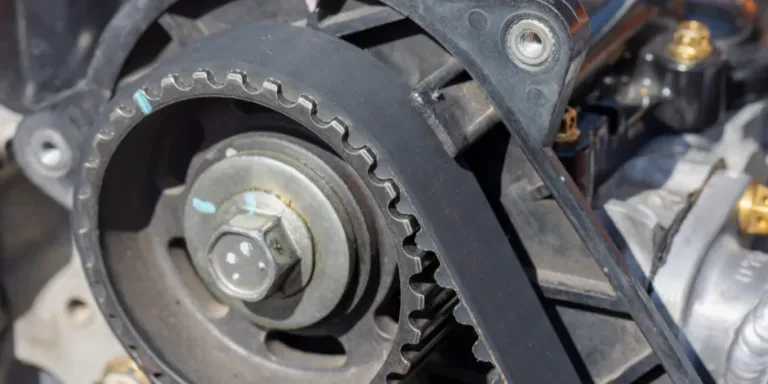
Everything you need to know about the silent hero of your engine, the timing belt. Tips for changing it before it breaks, mileage limits, and maintenance costs.
The biggest nightmare for drivers and one of the most frequently heard legends in industrial sites, "Timing belt breaking" or "Timing belt slipping", is actually a completely preventable and predictable mechanical failure. This toothed (geared) belt, usually made from reinforced rubber, carbon fiber, and steel wire, conducts the magnificent and violent dance inside the engine like an orchestra conductor.
The millisecond harmony occurring between the pistons and valves inside the cylinders while the vehicle is in motion, too fast to be seen with the naked eye, is entirely entrusted to the integrity of this part.
So, what exactly does this part do? Why do mechanics recommend changing not just the belt but the "Timing Kit (including Bearings and Water Pump)"? And why should the first question when buying a second-hand car be "When was the timing belt changed?" Here's the complete guide to the timing belt with all the mechanical facts.
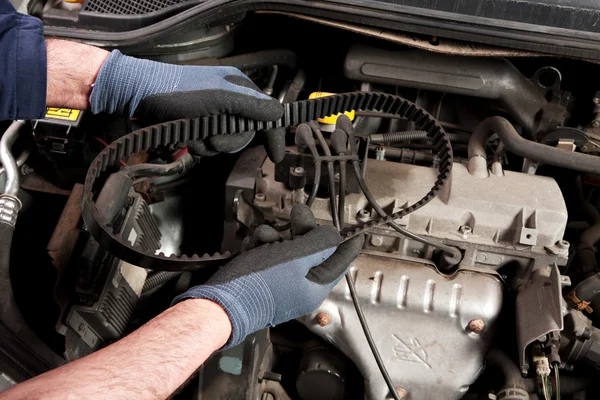
⚙️ Technical Insight: What Does a Timing Belt Do?
The basic working principle of an internal combustion engine is based on the cycle of taking in fuel and air into the cylinder, compressing it, igniting it, and expelling the exhaust gas. The timing belt provides the physical and timing connection between the Crankshaft (the main shaft that moves the pistons up and down) at the bottom of the engine and the Camshaft (the shaft that opens and closes the valves) at the top of the engine.
Simply put, it guarantees that the metal valves, which allow clean air into the engine's lungs and expel burnt gas, open and close with millisecond, perfect timing without hitting the rapidly rising pistons. This timing (bringing to top dead center) is achieved millimetrically thanks to the teeth on the belt.
1. Why Timing Belts Break: Early Signs
The timing belt can break suddenly due to material fatigue, but it usually gives some physical and auditory signals to a careful driver before it breaks. Reading these signs correctly can save your engine and wallet from a major disaster:
🔊 1. Rhythmic Sounds from the Engine
If you hear rhythmic friction, a thin whistle, a clicking, or a "rattling" sound reminiscent of a diesel engine coming from the front of the engine (usually under the plastic cover), be careful. This indicates that the belt is loose, has stripped teeth, or the "tensioner bearing" that keeps the belt tight is broken and about to fall apart.
💨 2. Black Smoke and Misfiring from the Exhaust
If the timing of the engine (timing adjustment) deviates slightly due to slack or wear in the timing belt, the fuel entering the cylinders cannot be fully burned. In this case, the engine will start to misfire, vibrate at idle, lose power, and may emit dense black (raw fuel) smoke from the exhaust.
🛢️ 3. Oil or Water Leaks
When engine oil leaking from the engine blocks or hot antifreeze (engine coolant) leaking from the water pump drips onto the rubber timing belt, it disrupts the chemical structure of the belt. The rubber swells, softens, and breaks in a short time. If there are oil/water stains around the timing cover, you should go to the service immediately.
🚨 What Happens If the Timing Belt Breaks?
If your timing belt suddenly breaks while driving at high RPM on the highway (e.g., at 3,000 RPM), the movement of the valves at the top of the engine stops instantly. However, the heavy pistons at the bottom continue to rise rapidly due to kinetic energy (and the rotation of the wheels).
Result: A Metal Collision (Becoming Soup)Steel pistons hitting the open valves from below bend the valves, shatter the piston heads, and cause severe damage to the engine block (cylinders). In industrial jargon, the engine "becomes soup." The engine suddenly stops while in motion, and the brakes/steering harden. This means a "engine overhaul" costing tens of thousands (sometimes hundreds of thousands) of lira.
2. Replacement Time: Is It Determined by Year or Mileage?
This is the point where drivers are most mistaken and neglectful. Car manufacturers set two different limits for the replacement of the timing belt, and the replacement must be done when whichever comes first:
🛣️ Mileage LimitDepending on the vehicle brand, model, and engine type, the timing belt replacement interval is usually between 60,000 km and 120,000 km. (The exact mileage information is written in your vehicle's user manual).
⏳ Year Limit (Shelf Life)Saying "My car was in the garage, it only did 30,000 km" won't save the belt. Since rubber material is used, it hardens, decays, and cracks over time with temperature changes. Even if the mileage is not reached, it generally must be replaced every 4 or 5 years.
💡 Chain Timing Engines:In some vehicles, a "Steel Timing Chain" is used instead of a rubber belt (e.g., Most BMW, Mercedes, Fiat Multijet engines). The chain's life is much longer (usually 150,000-200,000 km). The chain shows itself by elongating and making a rattling sound before breaking.
3. Why the Entire Timing Kit Must Be Replaced
When you go to an authorized or private service, the mechanic will tell you to replace not just the belt but the entire Timing Kit, which includes the "Tensioner Bearing", "Idler Rollers", and "Water Pump". This is not a sales tactic but a vital necessity.
- Labor Economy: To access the timing belt, engine mounts, V-belt, and various covers are removed. The labor is quite long and expensive. If you change only the belt and leave the old water pump, when that water pump fails and leaks 10,000 km later, the mechanic will charge you the same high labor cost again to open that area.
- Mechanical Safety Risk: Even if you install a brand new and robust timing belt, if the old tensioner bearing or water pump around which that belt rotates locks up/falls apart, your new belt will fly off or strip in seconds. The result is again the engine going for an overhaul. The process must always be done "As a Set".
🚨 Industrial Advice for Second-Hand Car Buyers
When you buy a new second-hand (used) car, even if the seller verbally tells you "I changed the timing belt last month, it has no expenses", if you don't have a dated and stamped invoice from an authorized/private service proving the change, have the entire timing set replaced as soon as you buy the car.
This small service fee will protect you from massive engine repair costs up to 20% of the vehicle's value and the fear of breaking down on the road for life.
Enjoy Driving Without Maintenance and Breakdown Worries 🚗
Would you like to eliminate stressful and costly industrial processes like "When will the timing belt be changed?", "Are the bearings making noise?", "Is the maintenance mileage due?" from your life?
LenaCars' new generation vehicle fleet consists of fully authorized service-maintained, insured vehicles with all vital safety checks like timing and brakes completed. Just turn the key and enjoy safe driving.
Rent a Maintained and Safe Vehicle → 📞 24/7 Uninterrupted Support*All vehicles in our fleet are regularly subjected to a 101-point mechanical test.