
The Most Preferred Used Cars of 2026: Turkey Market's "Golden" Models

We explore the most popular used car models in Turkey's automotive market in 2026, known for retaining value, fuel efficiency, and easy maintenance, along with all hidden cost dynamics.
The Turkish automotive market is an ecosystem with its own unique rules, dynamics, psychological barriers, and taboos unlike any other country in the world. When looking at a car, a consumer in Europe may only see the comfort of transportation and the practicality of getting from point A to point B; however, a user in Turkey sees their future investment, depreciation value, availability of spare parts, and the mechanic's reaction to the vehicle.
This situation makes Turkey a unique laboratory, even for global automotive brands, which is hard to understand.
By 2026, efforts to stabilize global supply chains, fluctuations in new car prices, macroeconomic interest rate decisions, and access to financing conditions have made the used car market more attractive and strategic than ever. Consumers and especially company fleets managing millions of liras of capital now prefer models with high liquidity that never wait in the used market, rather than just "good-looking" or "well-equipped" cars.
So, which cars maintain their throne under Turkish conditions, from bodywork to engine block, from cheap spare parts to tolerance for accident history? Why do companies never give up on certain brands when making operational leases? How has the effort of Chinese brands to dominate the market affected the second-hand market? With the assurance of LenaCars, we delve deeply into the most preferred used cars of 2026, which defy the years in value, with data and analyses.
1. Market Car: The C Segment Sedans
If you are in the automotive sector in Turkey or buying and selling cars, you will often hear the term "Market Car". This term is used for cars that start ringing phones as soon as they are listed on popular ad sites, reach hundreds of favorites within minutes, and whose price is unconditionally accepted by the market.
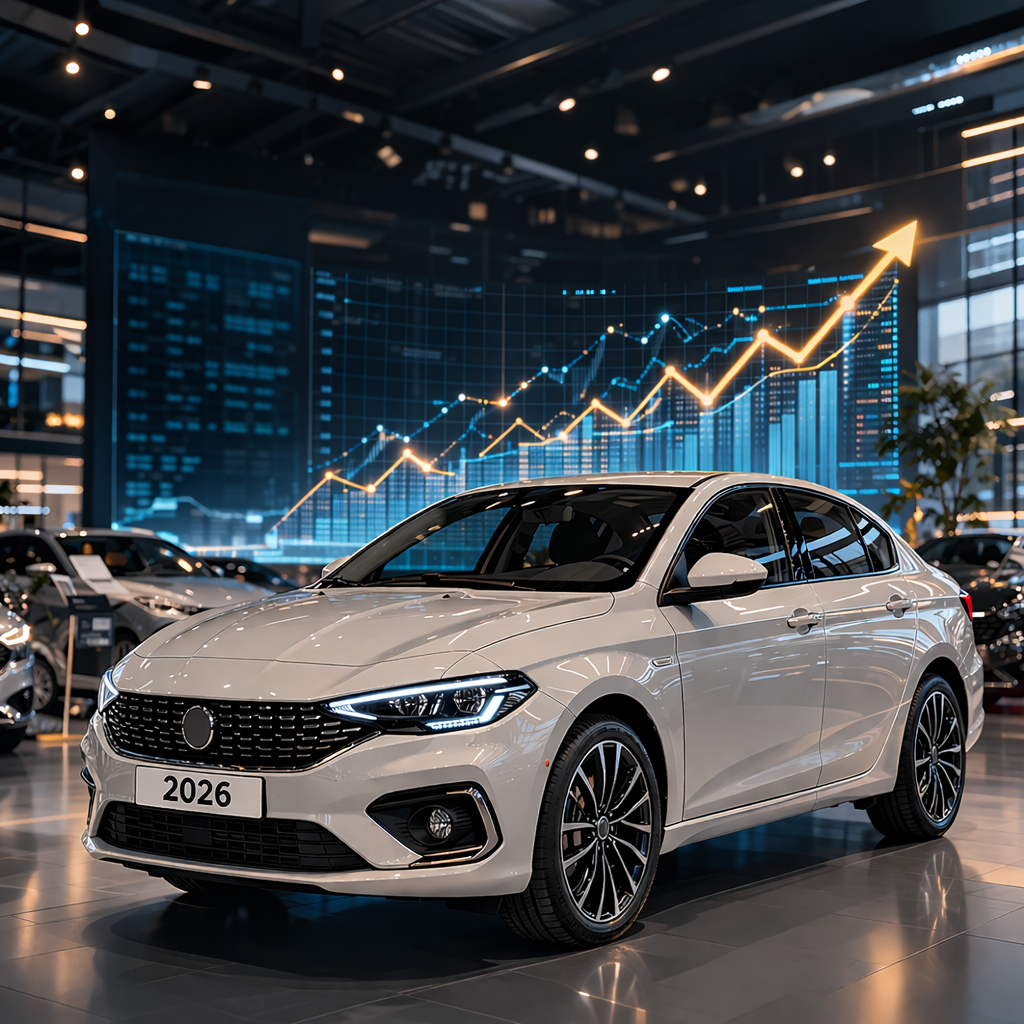
Despite all the innovations in the automotive industry and the SUV storm in 2026, the undisputed leaders of Turkish roads continue to be C Segment Sedan cars with the advantage of local production.
Fiat Egea Sedan, Renault Megane, and Toyota Corolla. This magnificent trio is the unbreakable tripod of the Turkish car market. They are by far the first choice in both individual family use and long-term fleet rental preferences of companies from SMEs to giant holdings. The main reason for this is not emotional but completely rational and mathematical.
These cars have proven themselves on Turkish roads for years, in all conditions from the most challenging Anatolian geography to the busiest Istanbul traffic. They have almost no chronic problems, and their existing faults can be solved with methods known by even the apprentice mechanic in the industry. Moreover, their spare parts are so common that they can be found even in a grocery store.
💡 Critical Concept: "Liquidity" in Used Cars (Conversion to Cash Speed)As in the stock market, gold, or real estate market, the speed of conversion to cash (liquidity) is essential in cars. An exotic, specially colored, massive engined, and fully equipped European car may be very prestigious and comfortable; however, it may take months to sell in case of urgent cash need, requiring serious price cuts.
However, a white Renault Clio, Renault Megane, or Fiat Egea can be sold at the notary within 24 to 48 hours if priced correctly at the market average. The main factor that ensures the value does not decrease when buying a used car is exactly this high demand and circulation.
Especially when forming a fleet for companies or making operational leases from institutions like Lenacars, it is vital to keep the second-hand value (Residual Value) high at the end of the contract. Leasing companies calculate a monthly payment plan for you by subtracting the estimated second-hand sales price of the vehicle three years later from today's purchase price. The stronger the second-hand value of the vehicle, the more affordable the monthly rental fee is for companies.
For this reason, in 2026, the most trusted port for fleets is again these "golden" models with high sales speed.
2. Changing Buyer Behavior and Segment Shifts
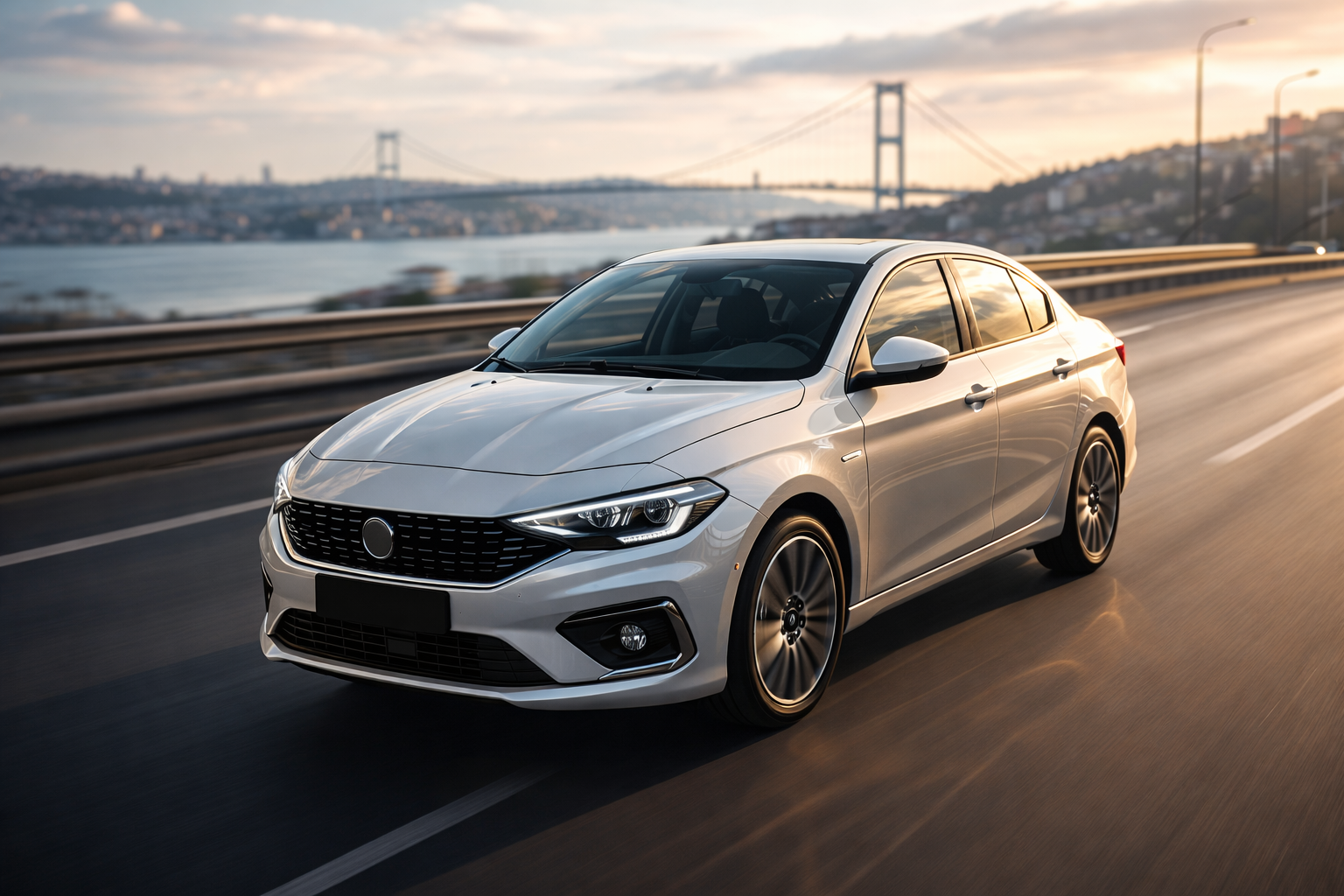
So, what parameters make a car "most preferred" in 2026? The decision-making mechanism of consumers and company managers does not operate randomly. The dynamics that make cars valuable and the great migration between segments occur as follows:
- ✓ Local Production and Exchange Rate Resistance: Cars produced in Turkey like Fiat Egea (Bursa), Renault Megane (Bursa), Renault Clio (Bursa), Toyota Corolla (Sakarya), and Hyundai i20 (Izmit) are much more resistant to upward fluctuations in exchange rates compared to imported cars. The fact that spare part supply is mainly provided by domestic sub-industry and main suppliers directly reduces insurance costs and periodic maintenance expenses.
- ✓ Small Volume, Big Job (Downsizing): The unstoppable rise in fuel prices and tax brackets have long left massive engine volumes behind. In the past, 1.0-liter engines that were frowned upon are the kings of the 2026 market. 1.0 TCe (Renault group), 1.0 TSI (Volkswagen group), and 1.2-liter units with mild hybrid support offer agile driving in the city, consume less fuel, and provide a budget-friendly advantage with low MTV (Motor Vehicle Tax). Used cars with these engines sell like hotcakes.
- ✓ The Fall of D-Sedan, The Rise of B/C-SUV: One of the biggest breaks in automotive history is happening. D-Segment sedans (Passat, Insignia, Mondeo), which were once status symbols for company executives, have gradually been discontinued or reshaped. They have been replaced, and traditional family hatchbacks have been replaced at an incredible speed by SUV models. Due to their high driving position, adaptation to bumpy Turkish roads, and flashy designs, Peugeot 2008, Dacia Duster, Fiat Egea Cross, Nissan Qashqai, and Peugeot 3008 B and C SUV models have become the most valuable stones of the market in 2026. The depreciation of an SUV in the second-hand market is much lower than that of a hatchback of the same age.
| Vehicle Segment & Leading Models | Maintenance and Spare Part Cost | 2nd Hand Liquidity (Sales Speed) |
|---|---|---|
| B-Hatchback (e.g., Renault Clio, Hyundai i20) | Very Low (Plenty of parts, many mechanics) | Very High (1-7 Days) |
| C-Sedan (e.g., Fiat Egea, Renault Megane, Corolla) | Low - Medium Level | Very High (1-10 Days) |
| B/C SUV (e.g., Dacia Duster, Peugeot 2008, 3008) | Medium Level (Tire and body costs somewhat high) | High (7-15 Days) |
| D-SUV / Premium (e.g., Skoda Kodiaq, Volvo XC40) | High (Premium segment labor and imported parts) | Medium (Depends on condition and exchange rates) |
3. Supply Chain and Chinese Brands in Used Cars
When analyzing the 2026 Turkish automotive market, we cannot ignore the storm coming from the Far East, especially China. Brands like Chery, BYD, and MG have made a rapid entry into the market with very aggressive pricing and rich equipment packages in new car sales. However, this success in the new car market is being tested with different dynamics in the second-hand market.
The second-hand buyer in Turkey is quite conservative. When a new brand enters the market, the first question consumers ask is not "How big is the screen?" but "Will the transmission fail at 100,000 kilometers?" and "If I have an accident, how many months will it take for the headlight to be in stock in Turkey?" By 2026, the performance of Chinese brands in the second-hand market is fluctuating between two extremes:
On one hand, there are models that quickly find buyers due to their excellent price/performance ratio; on the other hand, due to the lack of past data and occasional uncertainties in spare part supply times, their "second-hand depreciation" (amortization) rates can be slightly higher compared to their European and Japanese competitors. This situation currently leads fleet companies, especially those making operational leases, to act more cautiously and focus on proven "Market Cars".
At Lenacars, we also prefer to invest in proven brands with stable second-hand value and a widespread service network that will not leave our customers waiting for spare parts, offering this confidence in our long-term rental fleet.
4. Accident Records and the No-Paint Obsession
When buying a used car or renting a vehicle for your company, the biggest difference that separates the Turkish market from the world is the sensitivity to "accident records" and "paint-change". Turkey may be the only market where a perfectly functioning car with an engine running like a clock loses tens of thousands of liras in value just because a fender was replaced due to a scratch while parked.
In Europe, painting a door is seen as a cosmetic repair, while in Turkey, it is perceived as a major defect recorded in the vehicle's history.
How to Buy a Car That Increases Value, Not Decreases?
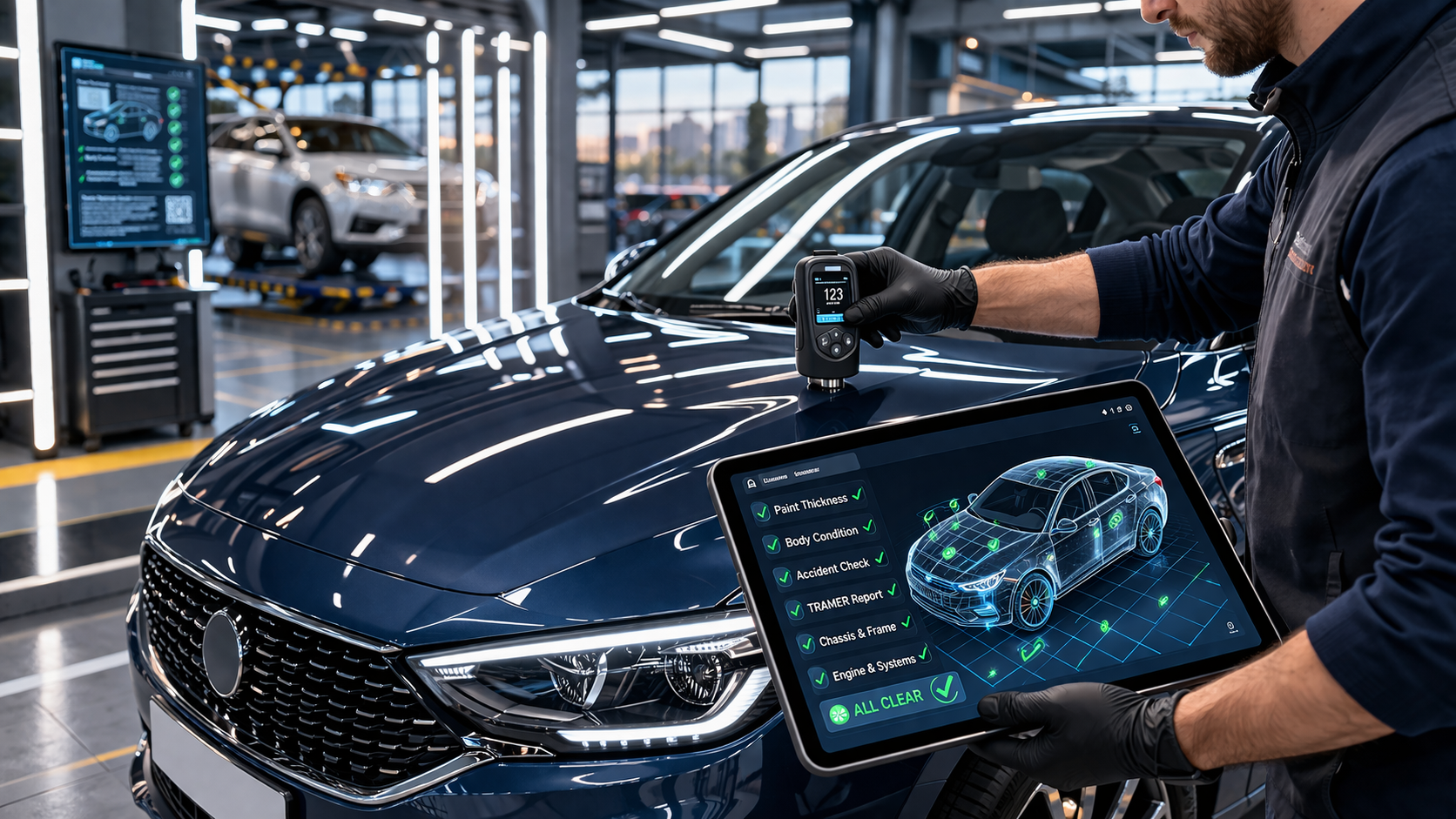
As it becomes increasingly difficult to find completely "flawless" (no paint, no change, and no accident record) cars on the market, and the prices of these cars reach irrational levels, conscious consumers and professional fleet managers have shifted their strategies to a more rational direction in 2026:
- • Mechanical Health > Cosmetic Flaw
In 2026 trends, the priority has shifted from micron paint thickness on the body to engine performance, transmission health, and error codes in the vehicle's electronic brain (OBD). Vehicles with heavy accident records (total loss) or structural repairs on the chassis/body are still red lines to be avoided due to compromised safety and structural integrity.
However, a Clio with a side door or fender replaced with original parts at an authorized service, with flawless engine and periodic maintenance, is a much more logical investment compared to a "completely paint-free" but poorly maintained, worn-out engine vehicle. Remember; a good mechanic can always fix the paint, but a worn engine block will constantly incur costs.
- • New Accident Record Perception and Part Prices
Due to the terrifying inflation in spare part prices, even the replacement of a simple LED headlight or sensor bumper can now create an accident record of 50,000 TL - 100,000 TL. Conscious buyers now look at "what the replaced part is" rather than the size of the number. Changes in plastic parts are no longer a factor that reduces vehicle value.
- • Definitive Solution for Companies: Long-Term Rental
In this chaos of accident records and value loss, the "Long-Term Vehicle Rental" (Operational Leasing) miracle comes into play for companies.
Since you do not purchase the vehicle, only rent the right to use it, you leave the stress of "Will my vehicle lose value if my employee has an accident?", "Will there be surprises in the expertise when selling?" or "How will I deal with the body mechanic in the industry?" entirely on the shoulders of professional companies like Lenacars.
Even if an accident occurs, the repair process is managed by Lenacars, the value loss does not affect your balance sheet, and you only focus on your business.
5. TCO: The Hidden Costs of Ownership
The price you pay at the notary when purchasing a vehicle is just the shiny part of the iceberg visible above water. The real cost battle in the used car market is experienced while "operating" the vehicle. The main reason why the most preferred vehicles of 2026 (Egea, Megane, Corolla, etc.) remain at the top of the lists is that they outperform their competitors in Total Cost of Ownership (TCO) analyses.
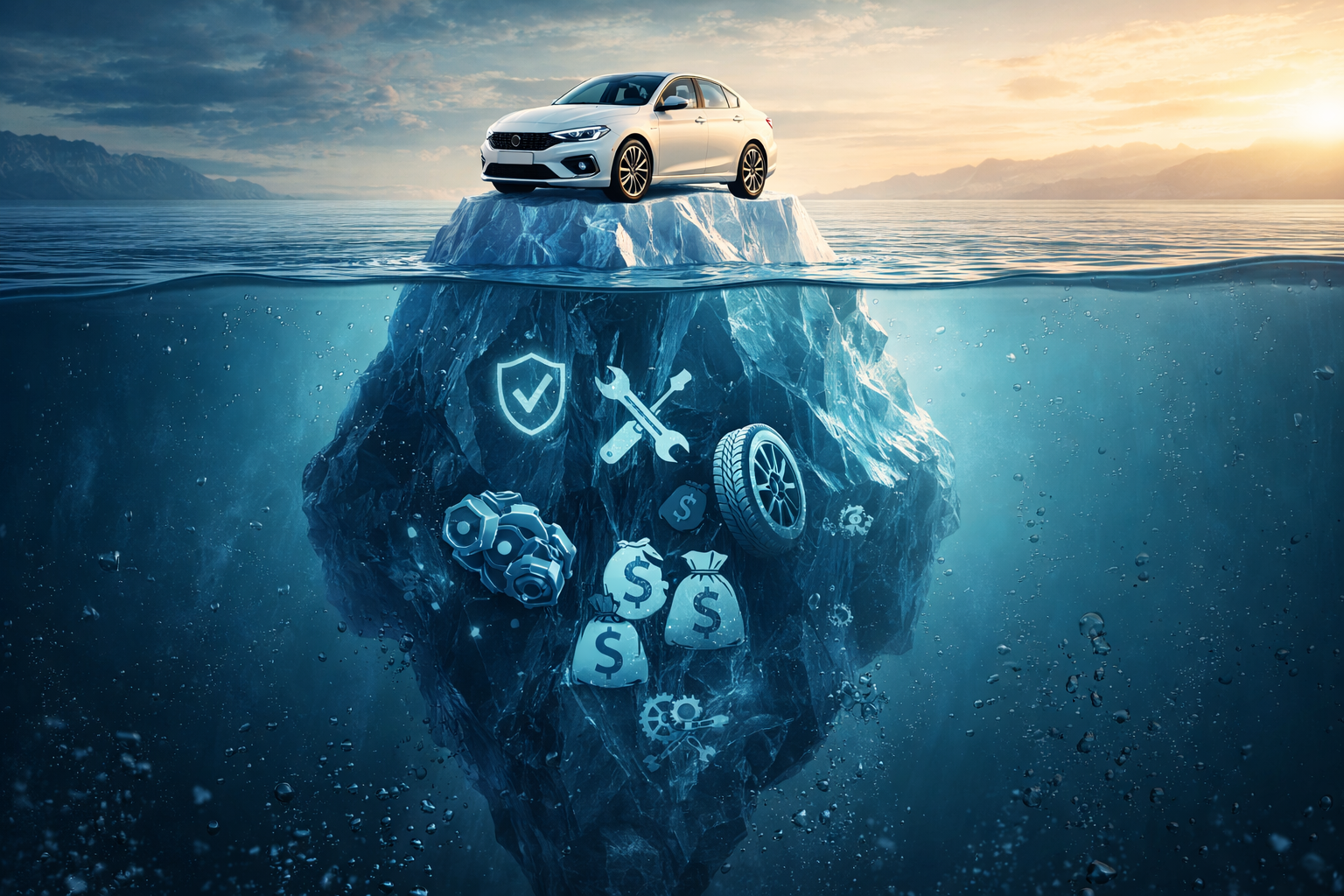
The hidden cost items that explain the difference between buying and renting a vehicle for a company or why only certain models are popular are as follows:
- 1. Capital Cost and Loan Interests: When you tie up 1.5 Million TL in cash to a vehicle, you actually forgo the potential profit (opportunity cost) you would earn by investing that money in your commercial business. If you use a loan, huge interest burdens are added. In leasing, your capital remains in your pocket.
- 2. Insurance, Insurance, and MTV Inflation: Vehicles with cheap parts have low insurance costs. While the annual insurance of a luxury imported SUV can reach hundreds of thousands of liras, that of a local sedan is much more modest. However, regardless of which model you buy, the policy prices that increase exponentially every year strain company budgets. In operational leasing, all these costs are included in the monthly fixed invoice and are not affected by inflation.
- 3. Administrative Personnel Load and Tire Logistics: If you have a company fleet of 10 vehicles; you need to employ an almost full-time staff in the company to track each vehicle's inspection date, summer-winter tire change and storage, and expert and service follow-up in case of damage. This is a hidden HR cost.
- 4. "Substitution" Need in Second-Hand (Business Continuity): In individual use, when your vehicle breaks down, you can go to work by taxi. However, when your company vehicle has an accident and stays in the service for 3 weeks, your field sales personnel cannot go to the customer, and you lose turnover. The "Substitute Vehicle" guarantee offered by rental companies like Lenacars is the number one reason why fleets are turning to leasing instead of purchasing, as it reduces these operational crises to zero. Your business never stops.
6. EV and Hybrid in the 2026 Used Market
As of 2026, the revolution of electric (EV) and hybrid vehicles on Turkish roads is about to be completed. Not only because they are environmentally friendly but also due to the incredible fuel (charging) savings they offer compared to gasoline, a significant transformation is taking place in company fleets. Models like Toyota Corolla Hybrid have already proven their durability by entering taxi stands years ago and are selling faster in the second-hand market than internal combustion models.
However, the real big question mark and excitement are happening in fully electric vehicles. Turkey's pride, the domestic car Togg T10X, and one of the global market leaders, Tesla Model Y, now occupy a massive volume in the second-hand market. The rules consumers look at in the second-hand market for electric vehicles have been rewritten.
No one asks about the timing belt or oil leaks anymore; there is only one royal criterion: Battery Health (SoH - State of Health).
Just as the compression test is checked in internal combustion engines, in electric vehicles, it is examined with electronic devices how much the vehicle has been worn out at authorized DC fast charges, whether it has been constantly charged to 100%, and what percentage of capacity the battery is currently operating at according to factory data.
Companies are increasing the EV ratio in their fleets every day due to the zero MTV advantage of electric vehicles, low maintenance costs (no oil, filter changes), and the visionary prestige they provide. However, the rapid obsolescence risk of vehicles due to fast-changing battery technology directs companies to long-term leasing (transferring the risk to the leasing company) rather than purchasing EVs.
7. LenaCars: Transparency and Fleet Solutions
It can be difficult to find your way among all these complex data, risks, and opportunities in the automotive sector. The cost of making a mistake when buying a used car is now measured in hundreds of thousands of liras. When you are afraid of tying your company's capital to metallic masses or encountering a surprise in the second-hand market, you need the right business partner.
This is where the Lenacars vision comes into play. We are far beyond a traditional buying and selling point. In our used car sales; we do not include vehicles with heavy accident records, airbags deployed, or mileage tampered with in our portfolio. Every car we offer for sale is presented to you with independent corporate expertise reports, TSE-approved guarantees, and a transparent history.
Our goal is not just to sell cars but to offer you a "value" that you can drive without problems for years and easily convert into cash when selling.
On the corporate side, our Long-Term Fleet Leasing department analyzes your company's needs tailor-made. We are at your service with our wide fleet, from fuel-efficient B-Hatchbacks for your field personnel to prestigious SUVs for your top executives. You focus only on your core business and growth; leave all operational burdens, insurance, MTV, maintenance, tire changes, damage management, and value loss risks to Lenacars' professional team.
🎬 Concept Analysis: What to Consider When Buying a Used Car?
Be sure to check out this eye-opening video analysis on what to consider when choosing popular cars on the market, the intricacies of accident record inquiries, and how to find the right car.
Conclusion: The Future Belongs to Informed Buyers
Buying a used car in Turkey is not just about meeting a transportation need; it is also the art of finding the right investment tool that does not lose value against inflation, does not cause part problems, does not require a mechanic, and can be converted into cash immediately when needed. In 2026, whether it's a Clio, Egea, Megane, Corolla, Qashqai, or an innovative Togg...
No matter which brand or model you choose, the most important thing is that the vehicle's history is transparent and offers operating costs suitable for your budget.
At LenaCars, we do not just showcase cars with shiny paint in our gallery. With our expert team, who reads the complex dynamics of the Turkish car market with years of experience, we do not let vehicles that will incur surprise expenses through our doors, and we bring you vehicles with 100% expertise guarantee.
For our corporate customers who do not want to tie their capital to vehicles, experience the stress of purchasing, and worry about the depreciation of vehicle value in the second-hand market, we offer our long-term operational leasing advantages with 24/7 support and uninterrupted substitute vehicle guarantee.
For a Risk-Free and Profitable Automotive Experience, Lenacars is by Your Side
Whether you want to buy a second-hand car with expertise guarantee and no depreciation for your personal use, or explore our tax-advantaged long-term fleet leasing opportunities where you leave all operational burdens, insurance, and maintenance costs to us for your company.
Contact LenaCars now to manage your automotive processes with transparency, trust, and full professionalism. The most accurate, most profitable investment decision for your company and budget is just a click away.