
Renault Duster Review 2026: Is It Worth Buying?
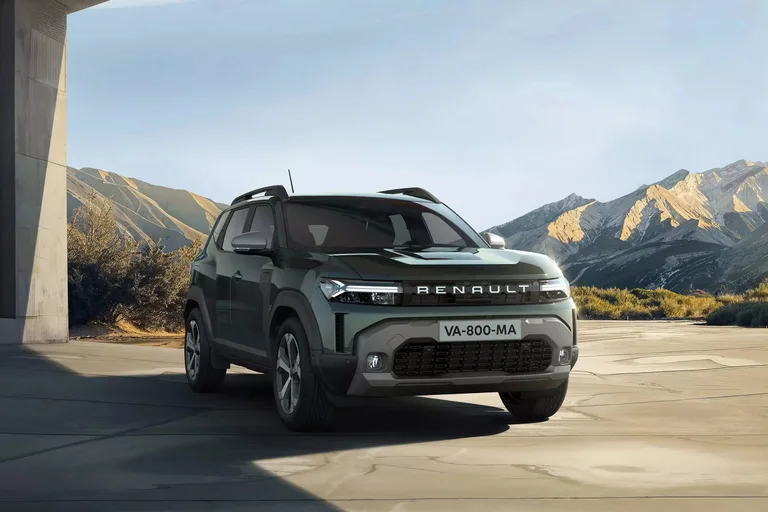
Renault Duster review 2026: Eco-G 120, Turbo TCe EDC 145, E-Tech full hybrid 160 and hybrid 4x4 150 compared for city, motorway, family and fleet use.
The Renault Duster is not simply a budget-minded SUV. Its appeal comes from a useful combination of a high driving position, practical luggage space, several powertrain choices and, for drivers who genuinely need it, a capable 4x4 version. That mix makes the Duster equally relevant for school runs, motorway trips, company fleets and weekend roads where the asphalt suddenly ends.
So, is the Renault Duster worth buying in 2026? The better question is which Duster fits your driving. Eco-G LPG, turbo petrol with EDC, E-Tech full hybrid and hybrid 4x4 all solve a different problem.
Renault Duster SUV character: practical before premium
At 4.34 metres long, the Duster stays manageable in city streets and car parks. Its elevated seating position makes the car easy to place, while official Renault data lists 209 mm of ground clearance for regular versions and up to 217 mm for the 4x4. That extra clearance matters on broken urban roads just as much as it does on dirt tracks.
Renault Duster in city traffic
The steering is light at low speed and the suspension is tuned more for compliance than sharp cornering. On rough tarmac this suits the Duster well. Large wheels can transmit short, sharp impacts more clearly, so choosing the biggest wheel purely for appearance is not always the best comfort decision.
Practical note: During a test drive, include speed bumps, paving stones and full-lock parking manoeuvres. They reveal suspension noises, trim rattles and steering behaviour much better than a smooth dealer route.
Compact SUV practicality: family space and luggage
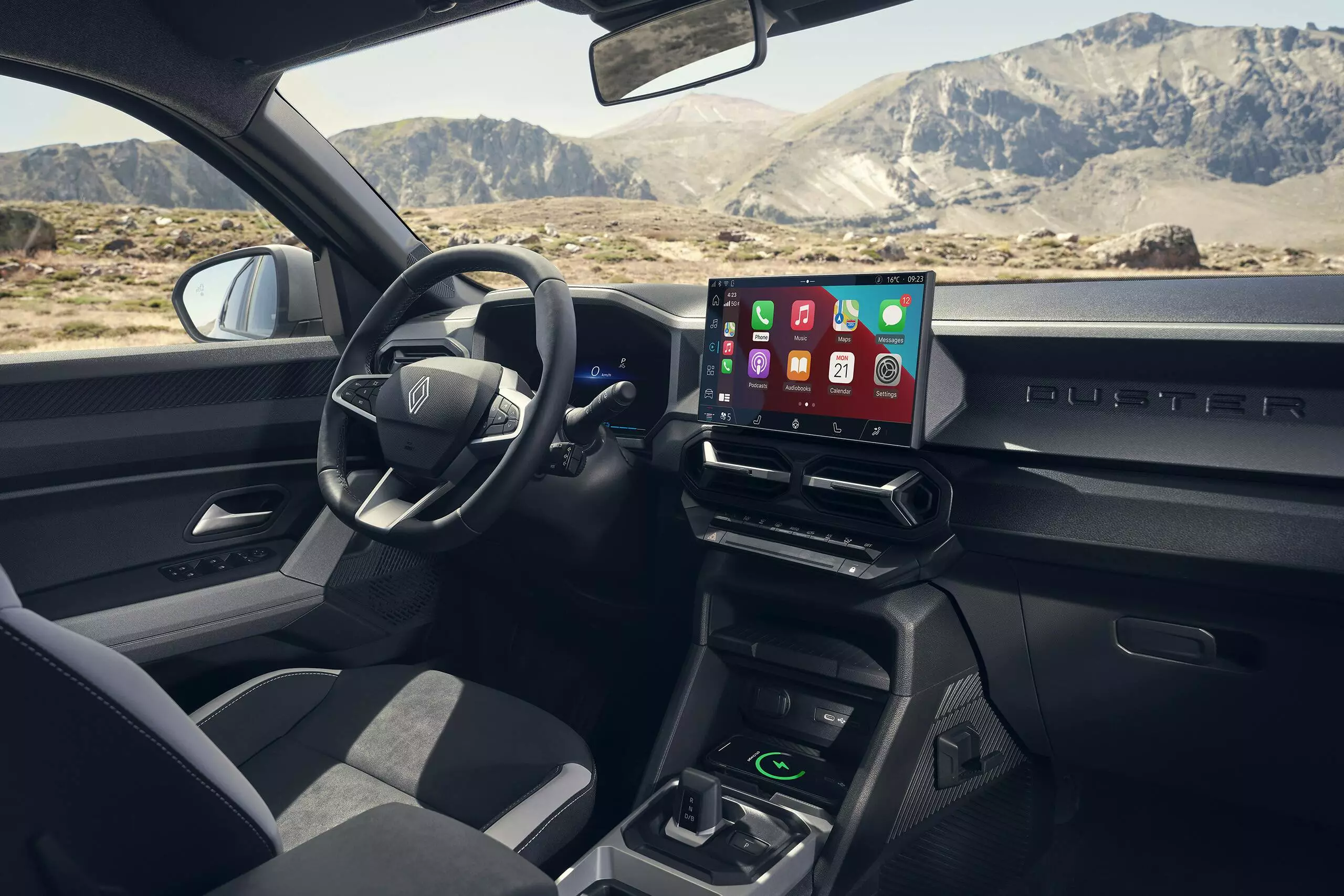
The Duster offers useful interior space without becoming oversized outside. Wide rear doors help when fitting a child seat, and the split-folding rear backrest makes it easier to mix passengers with bulky luggage.
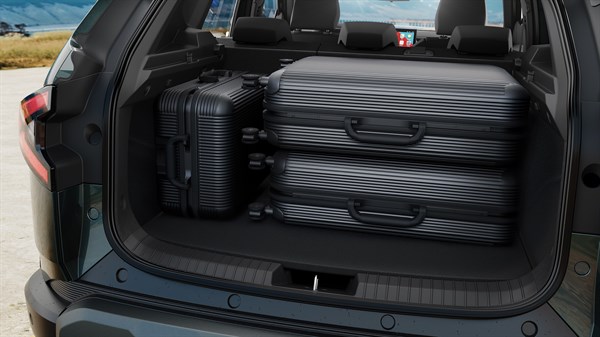
Luggage capacity depends on powertrain. Renault quotes up to 594 litres, while the Eco-G LPG technical specification lists 513 dm³. The difference is a reminder to check the exact version rather than relying on one headline number.
Is the Renault Duster a good family car?
For a family of four, yes. The boot is genuinely usable and the high seating position makes getting children in and out easier. Three adults can sit in the rear, but two are more comfortable on a long journey.
Practical note: If you use a stroller or large suitcase regularly, take it to the showroom. The LPG version and other powertrains may not offer exactly the same boot-floor packaging.
Renault Duster engines: which one should you choose?
Renault Türkiye’s current range includes Eco-G 120 hp, turbo TCe EDC 145 hp, E-Tech full hybrid 160 hp and hybrid 4x4 150 hp depending on trim. The right choice depends less on headline power and more on annual mileage, traffic conditions and whether you truly need four-wheel drive.
| Powertrain | Transmission / drive | Best suited to |
|---|---|---|
| Eco-G 120 hp | 6-speed manual / 4x2 | High-mileage drivers focused on fuel cost |
| Turbo TCe EDC 145 hp | Automatic / 4x2 | Balanced city and motorway use |
| E-Tech full hybrid 160 hp | Automatic / 4x2 | Heavy urban traffic and efficiency |
| Hybrid 4x4 150 hp | Automatic / 4x4 | Snow, rough roads and real traction needs |
Renault Duster Eco-G 120 hp
The LPG version is aimed at drivers who cover serious mileage and watch fuel cost closely. The current specification uses a 1.2-litre three-cylinder engine with 120 hp, 200 Nm and a six-speed manual gearbox. Separate 50-litre petrol and 50-litre LPG tanks add useful range flexibility.
Practical note: Do not choose Eco-G on fuel price alone. Consider the manual gearbox and the different luggage-compartment packaging as part of the decision.
Renault Duster Turbo TCe EDC 145 hp
For mixed use, the 145 hp turbo petrol with automatic EDC is arguably the easiest version to live with. Renault lists 0-100 km/h in 9.4 seconds and a WLTP combined figure of 6.3 l/100 km. Real consumption will vary, but the numbers show where this version sits in the range.
Practical note: On a used automatic Duster, test low-speed creeping, reverse-to-drive engagement and hill starts rather than judging the gearbox only at cruising speed.
Renault Duster E-Tech full hybrid 160 hp
The full hybrid does not need to be plugged in. It recovers energy during slowing and braking, then uses electric assistance most effectively in stop-start traffic. That makes it particularly attractive for commuters who spend much of the day below motorway speed.
Practical note: Give the hybrid a proper 20-30 minute test drive. The regenerative braking feel and transitions between electric and petrol operation deserve more than a short lap around the block.
Renault Duster Hybrid 4x4 150 hp
The 4x4 version adds five drive modes: Eco, Auto, Snow, Mud/Sand and Off-Road. Ground clearance rises to as much as 217 mm, and Renault also offers a 4x4 information display and up to 1,500 kg towing capability. These features are valuable when the car regularly sees snow, construction sites, rural roads or loose surfaces.
Practical note: On a used 4x4, inspect the underside, protection plates, drivetrain area and tyre wear before being impressed by clean bodywork.
Renault Duster for fleets and long-distance driving
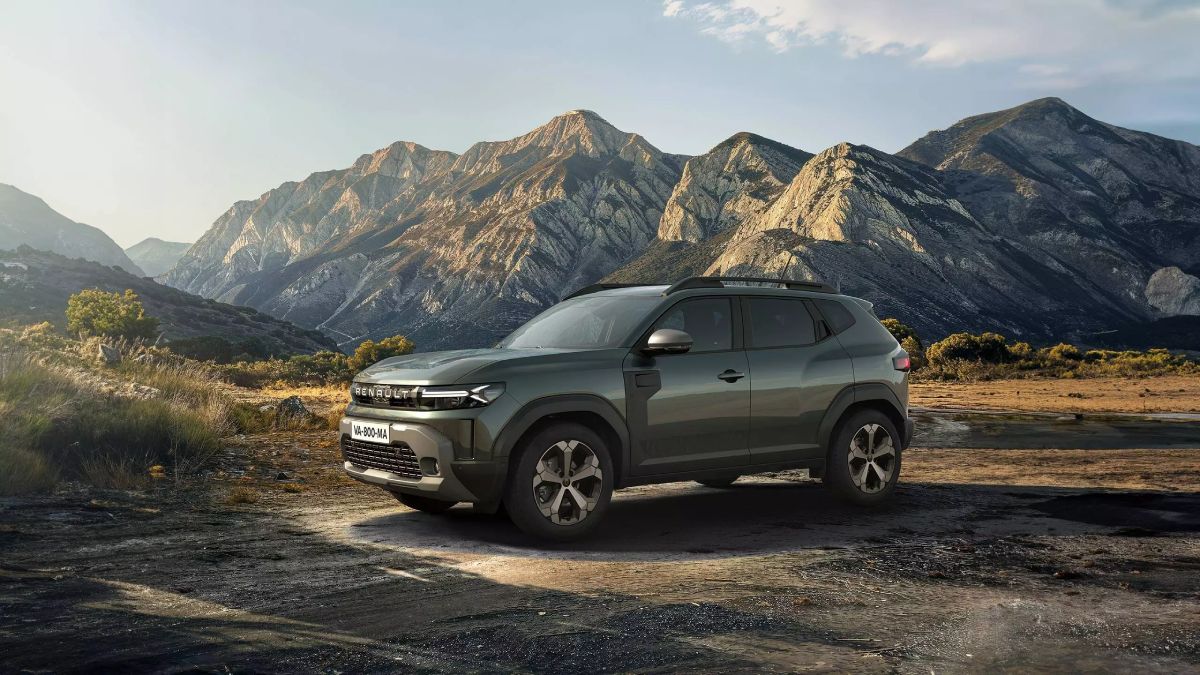
Fleet buyers care about downtime, tyres, service access, fuel, driver acceptance and resale value as much as the purchase price. The Duster’s strength is that it delivers the SUV format without automatically pushing a fleet into premium running costs. For field teams, the high driving position and rough-road tolerance are practical advantages.
Is the Renault Duster comfortable on long trips?
Yes, provided expectations are realistic. The seating position is relaxed and selected versions offer driver-assistance features such as adaptive cruise control, blind-spot warning and Multiview cameras. It is not a luxury SUV for cabin isolation, but at normal motorway speeds it is easy to live with.
Practical note: For fleet use, compare total operating cost on the same annual mileage, tyre size and driver profile rather than comparing monthly payments alone.
What should you check on a used Renault Duster?
The current generation is still too new for a responsible, definitive “chronic faults” list. A better approach is to inspect each powertrain on its own terms: LPG system service history on Eco-G, low-speed gearbox behaviour on EDC, hybrid-system warnings and service records on E-Tech, and underbody/drivetrain condition on 4x4 versions. Cameras, multimedia and driver-assistance systems should also be tested after any windscreen or bumper repair.
Frequently asked questions
Is the Renault Duster too big for the city?
No. At about 4.34 metres long it remains a compact SUV, and the high seating position plus parking aids make its dimensions easy to learn.
How large is the Renault Duster boot?
It depends on powertrain. Renault quotes up to 594 litres; the Eco-G LPG technical data lists 513 dm³.
Should I buy the LPG or hybrid Duster?
Eco-G makes sense for high mileage if you are happy with a manual gearbox. E-Tech full hybrid is better suited to heavy urban traffic and drivers who want automatic convenience.
Do I need the Duster 4x4?
Most city drivers do not. It becomes worthwhile if snow, dirt roads, mud or frequent poor-surface driving are part of your routine.
Is the Duster suitable for long journeys?
Yes. Choose the engine that matches your use and it offers a comfortable driving position, useful luggage space and sufficient performance for motorway travel.
Who should choose the Renault Duster?
The Duster suits drivers who value a high seating position, family practicality, occasional rough-road ability and sensible operating costs more than premium cabin materials. Eco-G targets mileage, Turbo TCe EDC balances everyday use, E-Tech full hybrid favours urban efficiency, and hybrid 4x4 is for drivers with a genuine traction requirement.
For business fleets, see LenaCars’ corporate vehicle rental solutions. For shorter use, explore short-term car rental, or contact LenaCars to compare options.