
Winter Care Guide: 7 Critical Checks for Your Vehicle
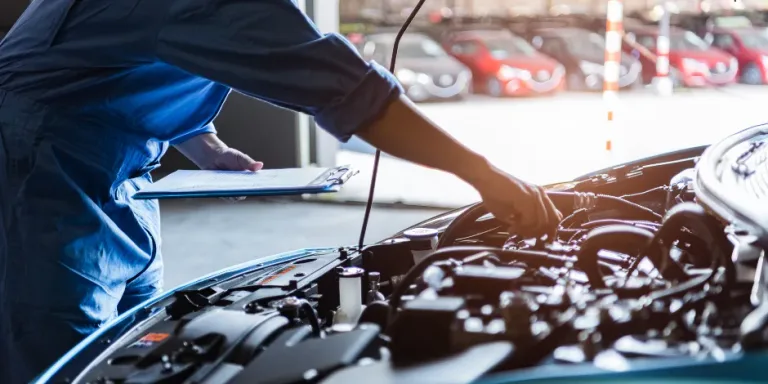
Cold weather is approaching! We've listed 7 essential maintenance tasks to ensure your vehicle gets through winter smoothly and safely.
When it comes to winter preparation, most drivers only think of winter tires. However, cold weather affects every cell of the vehicle, from the viscosity of the engine oil to the chemical reaction rate of the battery, from the freezing point of the wiper fluid to the flexibility of the door seals.
Hearing that sad "click" sound when you start your car in the morning to go to work, or having your windshield turn into an ice block when your wiper fluid freezes at 100 km/h on the highway, can lead to not only loss of time but also loss of life and property safety.
Why Should You Consider Renting a Car Instead of Dealing with These Preparations? Preparing a personal vehicle for winter is a process that requires both a serious budget and patience. Choosing the right winter tire, measuring the antifreeze level, replacing a weak battery, and changing wipers are significant cost items in today's economy. Moreover, you should also consider the hours you will spend in the industry or services to have these processes done.
If you want to travel safely in winter but do not want to deal with this "chore" and costly preparation process, the most logical solution is to rent a car. Every vehicle you rent from LenaCars is delivered to you in 100% compliance with winter conditions; with winter tires installed, antifreeze and battery checks done by professional teams.
You just sit in your seat, turn on your air conditioner, and enjoy the ride; maintenance, inspection, and preparation burden is entirely our responsibility.
However, for drivers who will continue to use their own vehicle, it is essential to create a professional checklist. Here is our comprehensive vehicle maintenance guide prepared with expert insight that will not leave you stranded in winter.
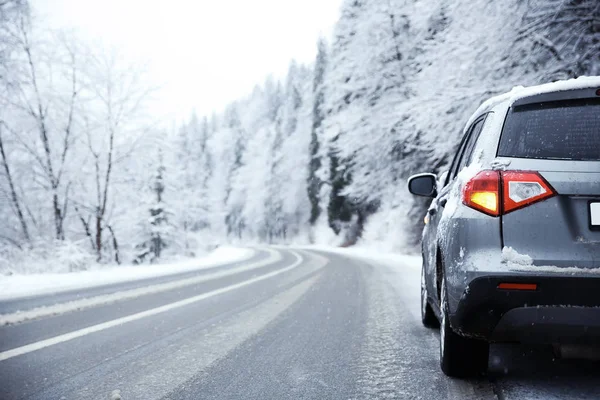
❄️ Golden Rule: +7 Degree Limit and Tire Chemistry
Many drivers wait for snow before fitting winter tyres. This is one of the most common safety mistakes. The figure that matters is not snowfall but +7 degrees Celsius.
Below that temperature the rubber compound in summer tyres hardens and loses its grip on asphalt. On wet or dry roads alike, this can extend your braking distance by up to 30%.
Winter tires, on the other hand, remain soft and flexible even in the cold thanks to their high silica content and special vacuum channels (capillaries). They provide grip not only on snow but also on cold asphalt. Remember; winter tires are not just for snow but for low temperatures. Also, the cooling air in winter causes the pressure inside the tire to drop. Do not neglect to check your tire pressures regularly every month.
1. Silent Heroes Under the Hood: Fluids and Energy ⚙️
Your vehicle's engine works under much more challenging conditions in winter. Oil thickens, electricity demand increases, and the risk of the cooling system freezing arises. Here are 3 points you must check under the hood:
🌡️ Antifreeze: The Lifeline of the Engine
Freezing of the engine coolant can cause the water to expand and crack the engine block, leading to damage costing tens of thousands of liras. Adding only water to the radiator is a big mistake. Have the antifreeze level measured with a "hydrometer" at a service. The ideal protection level in Turkey is between -25°C and -35°C. If it is lacking, be sure to add antifreeze with suitable specifications.
🔋 Battery: Reduced Power in the Cold
Batteries store chemical energy, and cold weather slows down these chemical reactions. When the air temperature drops to 0 degrees, a battery loses about 35% of its normal power. A weak battery that doesn't cause problems in summer will leave you stranded on the first freezing morning of winter. Be sure to test the battery voltage and starting power (CCA value), and clean the terminals.
💨 Windshield Fluid and Wipers
Salt and mud poured on roads in winter can blur your windshield in seconds. If your wiper blades are cracked or leaving streaks, replace them immediately. Be sure to put a quality antifreeze windshield fluid in the reservoir. If normal water freezes in the nozzles, it can burn the pump motor or burst the hoses.
2. Often Overlooked and Life-Saving Details 🔍
Winter preparation for a vehicle does not end under the hood. Here are critical tactics applied by professional drivers that are often overlooked:

In winter, try not to let your tank drop below a quarter, ideally keep it at half or above. The air gap in an empty tank can lead to moisture (condensation) due to temperature differences. This moisture can freeze in the fuel lines and prevent the engine from starting. Also, if you get stuck in traffic in heavy snow, having enough fuel to heat the interior of the vehicle is vital.
🌬️ Air Conditioning (AC) Is Not Just for SummerHow do you quickly clear the fog on the windows in winter? The answer: Turn on the air conditioning. The biggest feature of the air conditioner (A/C) is that it dries the air (dehumidifier). When you turn the temperature to the highest and turn on the air conditioner, the fog on the window disappears within seconds.
Also, not running the air conditioner throughout the winter can cause the seals in the system to dry out and lead to gas leaks; running it for 10 minutes once a week keeps the system fresh.
🧴 Door Seals and Lock MaintenanceAfter freezing nights, you may find that your car door is frozen when you try to open it in the morning. Forcing the door open can tear the seals. To prevent this, spray silicone on the seals at the beginning of winter. Also, if you have old-style keyed locks, putting a drop of WD-40 or special lock oil in the lock mechanism can prevent the key from freezing and breaking inside.
3. Winter Emergency Kit: Must-Haves in Your Trunk 🎒
Whether in the city or on a long road; in case of an accident, being stranded, or caught in a snowstorm, this small kit can save your life. Although most of these items are ready in our modern and well-maintained rental cars, you should complete this list for your own vehicle:
- ⛓️ Chains / Snow Socks
- 🔌 Battery Booster Cable
- 🧤 Thick Work Gloves
- 🔦 Powerful Flashlight
- 🧊 Ice Scraper & Brush
- 🧶 Blanket and Fleece
- 💧 Spare Water and Biscuits
- 🩹 First Aid Kit
Expert Advice: If you are stranded in the snow and waiting for help, make sure the exhaust pipe is not blocked by snow. A blocked exhaust can cause carbon monoxide gas to leak into the vehicle.
FAQ: Winter Maintenance and Driving
Are all-season tires safe in winter?
Real "all-season" tires (with a snowflake logo) are suitable for mild winters. However, in regions where the temperature is constantly below zero and snowfall is heavy, all-season tires cannot perform as well as winter tires. For your safety, using real winter tires in severe winter conditions is always the best choice.
Is it necessary to wait to warm up the engine?
In modern fuel-injected vehicles, you do not need to warm up the engine at idle for minutes. After starting the vehicle, waiting about 30-60 seconds to allow the oil to circulate is sufficient. However, until the engine reaches its ideal temperature (the first 5-10 km), you should avoid high revs and sudden accelerations.
Are winter tires standard on rental cars?
In corporate and reliable companies like LenaCars, all fleet vehicles are delivered with winter tires installed during the legally required period (December 1 - April 1). Not only tires but all winter details such as antifreeze and windshield fluid are checked by our professional teams in advance. Instead of bearing this cost on your personal vehicle, you can rent and avoid this burden.
Should ESP and traction control systems be turned off in winter?
They should never be turned off during normal driving. Only if you cannot move in very deep snow or ice, you can temporarily turn it off to prevent the system from cutting engine power, and then turn it back on after moving the vehicle. The ESP system is your biggest helper in preventing skidding on icy roads.
How do I know if the antifreeze is finished?
Antifreeze is not something that "runs out," but a fluid that loses its properties. If its color has darkened excessively or turned rusty, it is time for a change. The most certain method is to have its level measured at a service. If the antifreeze has lost its properties, the water can freeze, causing the engine temperature gauge to rise suddenly (because frozen water cannot circulate).
Why is renting a car more economical in winter?
A set of winter tires, alignment, battery replacement, and winter fluid maintenance can cost up to half of a minimum wage. If you only drive in winter conditions for a few months a year, instead of incurring these expenses on your personal vehicle, renting a professionally maintained vehicle from LenaCars at affordable prices can help protect your overall budget.
Leave Winter Preparation to Us, Drive Safely ❄️
Tired of waiting in service lines, exorbitant tire and battery prices, and measuring antifreeze levels? Leave the troubles of winter aside. Rent any vehicle from LenaCars' disinfected, fully winter-maintained fleet with winter tires and 100% roadside assistance support. Travel with complete safety and top-level comfort with your family even on the harshest winter days. Break boundaries, leave the preparation to us!
Explore the Winter-Ready Fleet → 📞 24/7 Uninterrupted Roadside Assistance