
Heat Pump in Electric Vehicles: Extending Range in Winter
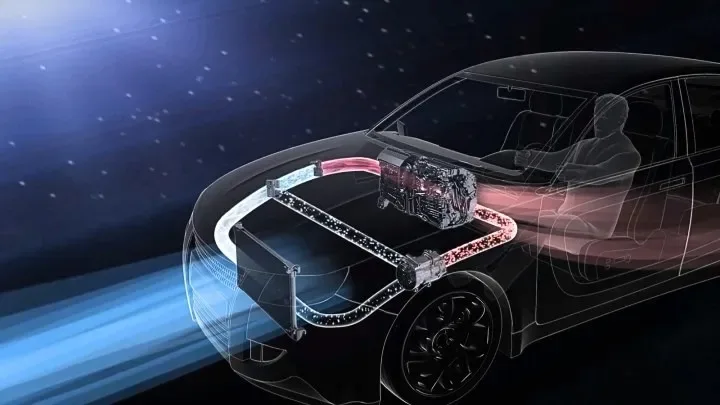
Why does the range of electric vehicles decrease in winter? How does a heat pump solve this issue? We explained this battery-friendly technology and its impact on range in the simplest way.
Internal combustion (gasoline or diesel) engines are inherently inefficient machines. They convert about 70% of the fuel they burn into heat energy rather than kinetic energy, which is expelled outside. In winter, we direct this "waste heat" to the cabin for heating; in other words, we use a free byproduct. However, electric motors operate with such high efficiency (90% and above) that they hardly heat up. This means we won't have "waste heat" to warm the vehicle cabin in winter.
Therefore, we have to use the precious electrical energy from the battery directly to heat the cabin. This is where the "Heat Pump" comes into play, completely changing the rules of the efficiency game.
Why Should You Lease an Electric Vehicle Before Buying? Electric vehicle technology evolves and changes rapidly, like smartphones.
The real difference between a model with a heat pump and one without can only be understood by experiencing it in winter conditions, not just by reading technical data.
A vehicle you purchase today with a high price may become "technologically outdated" in 2-3 years due to a revolution in battery technology or heat management systems, causing significant depreciation.
If you don't want to take these technological risks but want to enjoy the quiet and torque-filled experience of electric driving, the most logical way is to rent from LenaCars' modern electric vehicle fleet.
By renting our vehicles with heat pumps, high range, and the latest software, you can test the technology and experience the mobility of the future today by transferring all maintenance and technological obsolescence risks to us.
Instead of directly "converting" electricity from the battery into "heat," heat pump technology uses thermodynamic laws to transfer "free" energy from outside. Let's take a deep dive into the complex yet fascinating technical anatomy of this magical system.

🧊 How Does a Heat Pump Work? (Technical and Simple Explanation)
A heat pump can be thought of as a "reverse-working air conditioner" or "the opposite principle of the refrigerator in our home."
A refrigerator cools by extracting the heat from inside and expelling it outside, to the coils at the back.
A heat pump, on the other hand, captures the energy present in the freezing air outside. Even if the air temperature is -10°C, there is molecular heat energy in it.
The system passes a special refrigerant gas with a very low boiling point through the outdoor unit. The outside air vaporizes this gas.
Then a compressor compresses this gas at high pressure. When the gas is compressed, its temperature suddenly rises as a physical rule, similar to the tip of a bicycle pump heating up.
This released high heat is transferred to the vehicle cabin with the help of a heat exchanger. In this process, only a small amount of energy is used from the battery to run the compressor.
The result: By consuming 1 unit of electricity, 3-4 units of heat transfer from nature is obtained. This is called COP, or Coefficient of Performance, in engineering terms.
Heat Pump vs. Resistance Heater (PTC): Major Comparison 🥊
Heating in electric vehicles can be achieved in two different ways. However, the difference in efficiency between them directly determines the distance you can travel (range) in winter:
🔴 Resistance Heater (PTC)
- Energy Consumption: Very high. Consumes about 3-6 kW/h per hour. It's like running a giant hair dryer all winter.
- Range Impact: Directly converts battery energy into heat, "swallowing" 30% to 45% of your range in winter.
- Speed: Its biggest advantage is blowing hot air instantly. It doesn't wait for a mechanical cycle.
- Cost: Systemically cheap and simple; therefore, it is offered as standard in economical (entry-level) electric vehicles.
🟢 Heat Pump
- Energy Consumption: Very low. Consumes an average of 0.5 - 1.5 kW/h. Consumes 3 to 5 times less electricity compared to PTC.
- Range Shield: Instead of producing heat, it "transfers" it, preserving your battery capacity. Allows you to travel 20% to 30% more in winter.
- Technical Structure: Complex; includes pipes, valves, compressors, and special refrigerant gases.
- Cost: Reflected as an additional cost to the vehicle sale price, usually comes with "Premium" or "Winter Package" equipment.
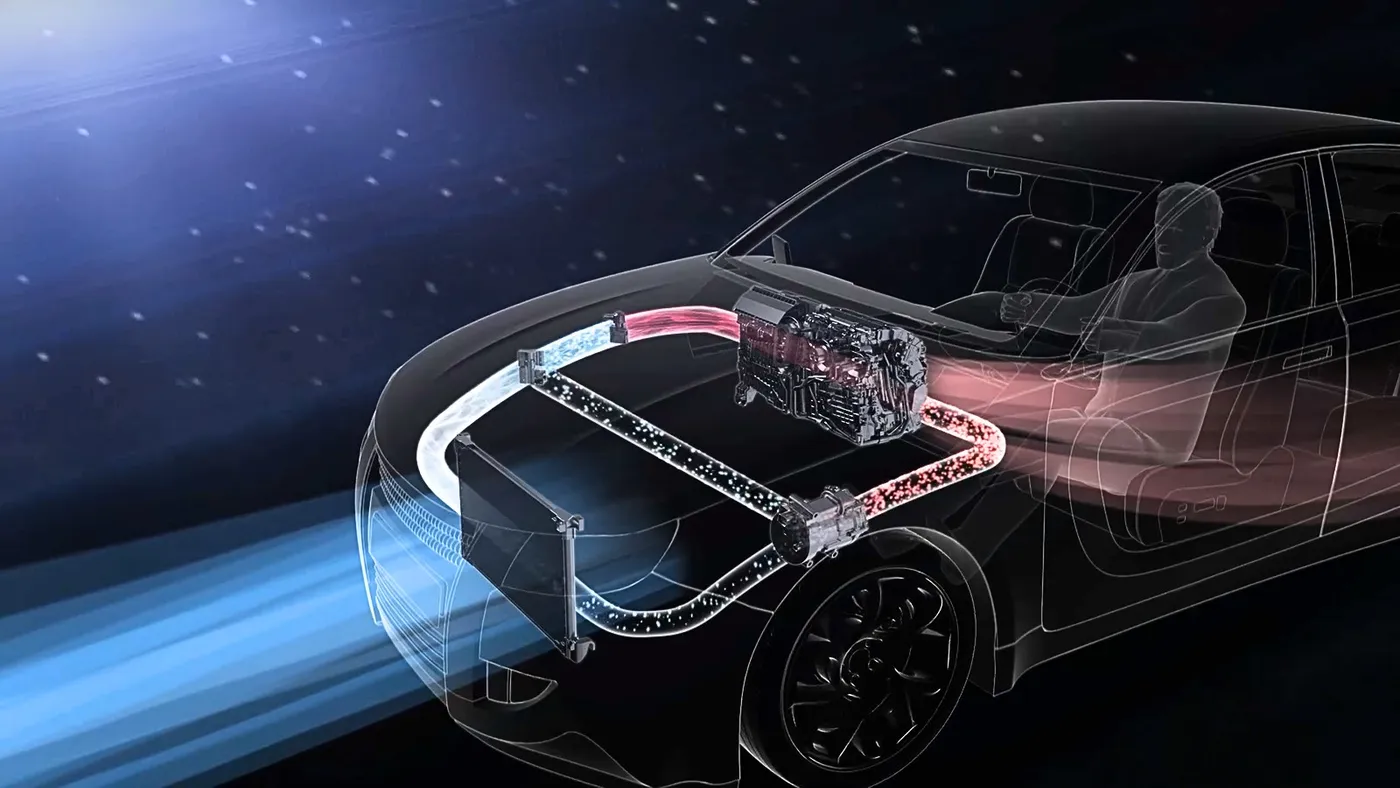
Real Impact on Range: Winter Scenario with Numbers 📏
Imagine setting out on a day when the outside temperature is 0°C with an electric vehicle that has a paper range of 400 km (according to WLTP standards). The difference made by the heat pump becomes much clearer as the journey extends:
| Driving Scenario | Without Heat Pump (Only PTC) | Model with Heat Pump | Net Gain (Range) |
|---|---|---|---|
| City Driving (Stop-and-Go Heavy Traffic) | ~260 km | ~330 km | +70 Kilometers |
| Highway Driving (Constant 110-120 km/h) | ~230 km | ~285 km | +55 Kilometers |
*Note: These values may vary depending on road conditions, vehicle insulation quality, interior temperature setting (ideal is 21°C), and the driver's driving style. However, the 20-25% efficiency difference is a scientific fact.
Unknown Side Benefits: It Doesn't Just Heat the Cabin! ☀️
The heat pump's function is not limited to your comfort. This system actually manages the entire "thermal heart" of the vehicle:
- 🔋 Battery Health and Fast Charging Performance
Electric vehicle batteries, like humans, are happiest and most efficient at temperatures between 20°C and 30°C. On a freezing winter day, when the battery gets too cold, it can neither deliver energy nor charge quickly. The heat pump is also used to bring the battery to its ideal operating temperature and keep it there (thermal management).
Thus, when you enter a DC fast charging station, while vehicles without a heat pump charge at low speed, you can fill your battery at maximum speed and continue your journey.
- ❄️ Stronger Cooling in Summer
Modern heat pump systems work bidirectionally. While cooling the cabin in summer, they also optimize the heat released within the system, reducing the compressor load of the air conditioner. Thus, the heat pump contributes to the overall efficiency and quietness of your vehicle not only in winter but also in scorching summer heat.
Frequently Asked Questions About Heat Pumps (FAQ) ❓
Can a heat pump be retrofitted to a vehicle without one?
Unfortunately, no. A heat pump is not just a simple component; it is a complex factory-installed system that includes all the vehicle's coolant lines, compressor structure, and software thermal management algorithm. Therefore, when purchasing or leasing a vehicle, ensure that this equipment is factory-installed.
Does a heat pump operate loudly?
The compressor, which is the heart of the heat pump, may produce a slight buzzing sound when operating. However, in modern electric vehicles, this sound is almost inaudible inside the cabin thanks to insulation. Externally, it is much quieter than a classic air conditioner's outdoor unit.
Does the heat pump still work when the temperature is -20°C?
The efficiency of heat pumps decreases as the outside temperature drops. Generally, the system starts to struggle to extract heat from nature after -10°C to -15°C. In such extreme conditions, vehicles activate a small PTC (resistance) heater in the system as a backup to support the heat pump. So you will still be warm, but efficiency will decrease.
Does a heat pump break down, is it difficult to maintain?
A heat pump is a closed circuit and is designed to work for years without maintenance, much like the refrigerator in your home. Service intervention is only required in case of an accident or gas leak. If this system fails in your personal vehicle, it can be costly, but all such mechanical risks are our responsibility in our rental vehicles.
What else can I do to preserve range in winter besides using a heat pump?
The most effective method is "Pre-conditioning." That is, turning on the heating via the mobile app 15 minutes before departure while the vehicle is still plugged in. This way, the massive energy needed to heat the vehicle cabin and battery is drawn from the grid, leaving the range in your battery for you. Additionally, using seat and steering wheel heating is much more efficient than heating the entire cabin to 25 degrees.
Freely Experience the Silent Power of the Future Today ⚡
Let the complex technologies of electric vehicles, battery life concerns, or winter range losses cease to be a question mark for you. By renting from LenaCars' fully maintained, latest-generation electric vehicle fleet with heat pump technology, enjoy the silence, eco-friendly driving, and instant torque power. Leave all the technological risks to us, and just travel comfortably towards the future.
Explore Electric Vehicle Fleet →📞 24/7 Uninterrupted Information & Support