
2026 Electric Vehicle Buying Guide: Cost, Charging, Battery
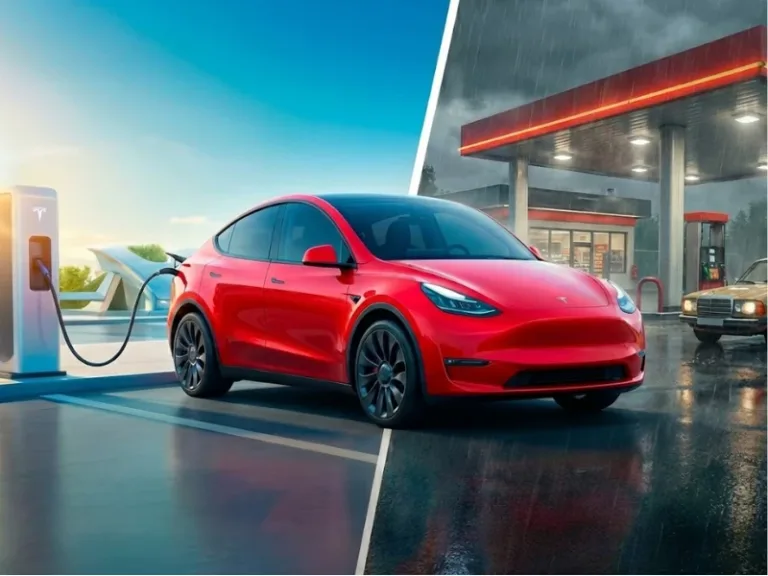
The electric vehicle revolution is at the doorstep! How much does home charging cost? Are maintenance expenses really low? What's the difference between NMC and LFP batteries? The most comprehensive guide before 2026.
The electric vehicle revolution is not just a fuel change; it is actually a change in the "definition" of the automobile. When you own an internal combustion engine vehicle, you are actually buying a mechanical "burden" consisting of thousands of moving parts constantly battling friction and heat. Electric vehicles (BEVs) are much simpler, software-focused, and efficient machines. However, this technological superiority also introduces new concepts into our lives, such as "proper charging habits" and "technological obsolescence risk."
Why Should You Rent Instead of Buying Amidst This Uncertainty? Electric vehicle technology today is changing as rapidly as the smartphone market in the early 2000s.
A vehicle with a 500 km range that you buy today may become "obsolete" in 2 years with the development of solid-state battery technology and may lose its second-hand value faster than you expect.
Additionally, you need to see if you can integrate the disciplined charging habits, especially the AC/DC balance required to maintain battery life, into your life.
When you choose LenaCars' modern and next-generation electric vehicle fleet, you transfer all these technological risks and capital loss concerns to us.
By renting the latest Togg, Tesla, or BYD models, you can personally experience the comfort of home charging and the peace of silence. While deciding if the system suits you, you can protect your financial freedom.
Maintenance costs, insurance premiums, and battery health monitoring are our responsibility; the only thing under your responsibility is the driving pleasure of the future.
Let's start examining everything from fuel savings to periodic maintenance costs, from types of charging stations to battery chemistries, in "TL" and "Kuruş," free from internet misinformation.

🧊 The Hidden Side of the Iceberg: Maintenance and Repair Savings
With electric vehicles, you don't just profit from fuel; the real big gain is hidden in service bills. Hundreds of parts prone to failure in internal combustion engines, such as oil filters, spark plugs, injectors, exhaust systems, timing belts, clutch plates, and transmission oil, are absent in electric vehicles.
According to 2026 data, the annual periodic maintenance cost of an electric vehicle is on average 45% cheaper than a diesel vehicle. Additionally, thanks to the regenerative braking (energy recovery with engine braking) system, brake discs and pads last 3 times longer than in internal combustion vehicles. As an electric vehicle owner, you can reach 100,000 kilometers with just windshield washer fluid, pollen filter, and tire tread depth checks.
2026 Real Consumption and Charging Costs
We compared an electric vehicle with an 88.5 kWh battery offering a combined 500 km range according to WLTP data with a gasoline vehicle consuming 10.0L, using average energy prices for 2026:
| Energy Source / Method | Full Charge Cost (Avg.) | 100 KM Cost | User Experience (UX) |
|---|---|---|---|
| 🏠 Home Charging (AC - 7kW) | ~135 TL | ~27 TL | Almost free driving. Plug in at night, take it fully charged in the morning. |
| 🏢 Workplace/Shopping Mall (AC - 22kW) | ~450 TL | ~90 TL | Economic charging while working or shopping. |
| ⚡ Fast Charging (DC - 180kW+) | ~720 TL | ~144 TL | Time-saving. 80% charge in 25 minutes. Long-distance friendly. |
| ⛽ Gasoline Vehicle (Avg. 10L) | ~2,800 TL+ | ~560 TL | Noisy driving, constantly rising fossil fuel costs. |
*Figures calculated based on 2026 energy tariffs and tax brackets. Home charging (night tariff) is the most profitable point of electric vehicle use.
Technical Decision: Should You Choose NMC or LFP Battery? 🧪
When buying or renting an electric vehicle, "battery chemistry" is as important as engine power. Two main technologies are competing in the 2026 market:
🔋 NMC (Nickel Manganese Cobalt)
Offers higher energy density; meaning you can travel longer distances with the same weight battery. It focuses on performance and charging speed.
- Disadvantage: To protect battery health, you should limit charging to 80% in daily use. 100% charging is only recommended when going on long trips.
🛡️ LFP (Lithium Iron Phosphate)
Heavier and offers slightly less range but is much safer and more economical. It has the highest non-flammability feature.
- Advantage: The battery life is tremendous (5000+ cycles). You can charge it up to 100% every day with peace of mind. A full charge is also recommended once a week for battery calibration.
Everything You Want to Know About Electric Vehicles (FAQ) ❓
Why do electric vehicles have less range in winter?
Batteries generate energy through chemical reactions, and ion movement slows down in extreme cold. Additionally, unlike internal combustion engines, there is no "waste heat" to heat the cabin, so significant energy is drawn from the battery. In models with a heat pump, this loss is 15-20%, while in those without, it can reach 35%. Pre-heating while the vehicle is plugged in before setting off is the best way to preserve your range in winter.
If the battery life ends, does the car become trash?
No. In 2026 technology, modern batteries offer an average of 1,500 to 3,000 full charge cycles. This means a vehicle can travel between 500,000 and 1 million km. Battery life doesn't completely end; only its capacity (range) decreases over time. Even when capacity falls below 70%, the battery can continue to live its "second life" in home energy storage systems.
Does fast charging (DC) damage the battery?
Constant and exclusive use of high-power DC charging can stress battery cells and accelerate "degradation" (capacity loss). The ideal usage scenario is 80% slow AC charging (home/workplace) and 20% DC charging (long trips/emergencies). In our rental vehicles, battery health monitoring is done with professional software, ensuring you always drive the most efficient vehicle.
I live in an apartment, how will I charge?
With new legal regulations, the process of installing a charging station in the parking lot without the majority decision of the apartment owners has been simplified. If you don't have the opportunity, you can use the more than 20,000 public charging points across Turkey. It is now quite possible to meet your weekly charging needs at fast stations during a coffee break.
If an electric car goes through water, will I get electrocuted?
Absolutely not. Electric vehicles' battery packs have IP67 or IP68 waterproof certifications. These systems are completely isolated and pose no safety risk even in heavy rain or puddles. In case of any leakage, the system has safety switches that cut off electricity within milliseconds.
Pre-Purchase Checklist ✅
| What to check | Why it matters |
|---|---|
| Home/building charging access | Is there shared charging at your building, or permission to install an AC charger at your own space? |
| WLTP range vs. real-world use | WLTP figures reflect lab conditions; expect 10-20% less range in everyday driving |
| Heat pump option | Significantly reduces winter range loss; worth choosing if available |
| Battery warranty coverage | Most manufacturers offer a separate battery warranty (e.g. 8 years/160,000 km) — check the contract |
| Local service network | Is there an authorised service centre in your city, and how far is the nearest one? |
Frequently Asked Questions ❓
How many years does it take for an EV to pay for itself?
This varies widely with annual mileage and charging habits. High-mileage drivers who mostly charge at home or work see a shorter payback period; low-mileage drivers relying heavily on fast charging see a longer one.
I live in an apartment — will charging be a problem?
With building management approval, an AC charger can often be installed in a shared area or your own parking space. If permission is not available, the growing network of public AC/DC stations across the city is a workable alternative.
What does the battery warranty actually cover?
It typically guarantees the battery will not fall below a certain percentage of its original capacity within a given time or mileage. Terms vary by brand and model, so read the contract carefully before buying.
Does winter really cause that much range loss?
Yes, and the loss is more pronounced in models without a heat pump. If you regularly drive long distances in winter, choosing a heat-pump-equipped model makes a real difference in day-to-day range.
Does it make sense to rent before switching to electric?
Yes. Testing the charging routine, real-world range and daily experience before buying significantly reduces the risk of choosing the wrong model.
Experience the Future Today with LenaCars Comfort ⚡
Would you like to experience the immense savings and silence of electric vehicles without the risk of purchase? Leave behind concerns about technological obsolescence, second-hand uncertainty, and battery health. Rent any vehicle from LenaCars' always maintained, disinfected, and latest charging standard-compliant electric vehicle fleet immediately; drive the mobility of the future today!
Explore Electric Vehicles → 📞 24/7 Technical Support Line