
Tire Pressure Guide: Fuel Efficiency and Safety
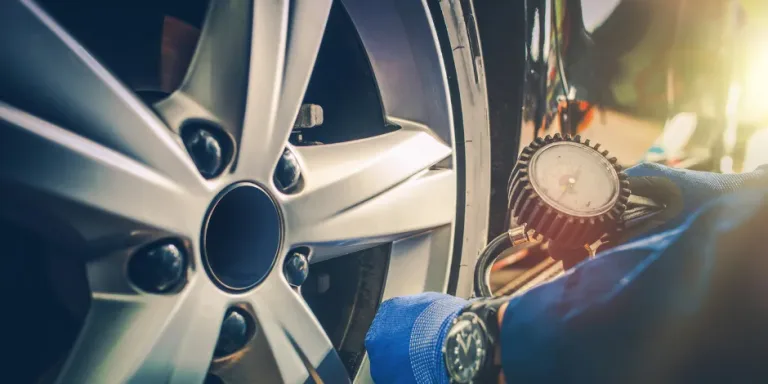
Not just your safety, but your wallet also depends on your tires. We explained the impact of incorrect tire pressure on fuel consumption and how to find the right pressure.
Tire pressure is the most critical and easily controllable variable that determines the vehicle's road handling characteristics. If the pressure is lower than it should be, the tire overheats, its sidewalls deform, and the risk of sudden blowout arises. If the pressure is higher than it should be, driving comfort completely disappears, the load on the suspension system increases, and the vehicle's road holding ability decreases.
So, what is the "golden value" accepted for your vehicle, and where can you find this information?
Why Should You Rent a Car Instead of Dealing with Vehicle Maintenance? Ensuring the safety of a personal vehicle is not just about holding the steering wheel. Measuring tire tread depth every month, adjusting correct tire pressures during seasonal transitions, and having alignment and tire rotation (front-rear change) done every 10,000 kilometers require both budget and serious time commitment. Many vehicle owners forget or neglect to check tire pressure due to a busy work schedule, which endangers safety.
If you don't want to deal with these technical details, service appointments, and tire lifespan tracking, the most comfortable solution is car rental. Every vehicle you rent from LenaCars undergoes a 100-point inspection by our professional teams before each delivery. Your tire pressures are adjusted to factory values, tread depths are kept within safety limits, and you just enjoy a safe journey by turning the key. The maintenance stress is ours, the driving pleasure is yours.
Acting on hearsay information (like "32 for the front, 34 for the rear" or "lower the pressure in winter") can mislead modern vehicles' electronic stability systems. Let's examine the technical details you need to know step by step to ensure a smooth ride by following manufacturer data.

🔍 Where to Find the Correct Pressure Value (PSI/Bar)?
Never inflate based on the "Max Press" (e.g., 50 PSI) you see on the tire's sidewall! That writing shows the maximum physical limit the tire can withstand without breaking, not your vehicle's ideal driving value. You can find those "sacred" values determined by your vehicle's model, weight distribution, and rim size in these three places:
- 🚪 Driver Door Post: On the metallic/white label located just below the latch or inside the door when you open the driver door.
- ⛽ Fuel Cap: Especially in European vehicles, on the chart inside the fuel cap.
- 📘 User Manual: If the labels are removed, in the "Technical Data" or "Tires and Wheels" section of the vehicle manual in the glove compartment.
Note: Values are usually given in PSI (Pound per Square Inch) or Bar. (1 Bar = 14.5 PSI).
1. Wrong Tire Pressure: Risk and Cost
Deviation from the ideal tire pressure distorts the shape of the tire's contact area with the road. This leads to uneven tire wear and unexpected vehicle responses.
📉 Low Pressure (Underinflated Tire)
- Increased Fuel Consumption: The tire sticks more to the ground (rolling resistance increases), requiring more engine power to move the vehicle.
- Dangerous Heating: Tire sidewalls flex more with each rotation. This friction generates heat and can cause the tire to burst suddenly at high speeds.
- Shoulder Wear: Only the edges of the tire touch the ground. This causes the edges to wear out quickly while the center remains new.
- Aquaplaning Risk: Low-pressure tires cause the water-draining channels to close. In rainy weather, your vehicle starts sliding like a surfboard on water.
📈 High Pressure (Overinflated)
- Loss of Comfort: The tire turns into a concrete block. The suspension loses its function, and everyone inside the vehicle feels every small stone.
- Center Wear: The tire "balloons." Only the central treads touch the road and wear out. Tire life is reduced by 40%.
- Braking Distance and Skidding: The contact area narrows, reducing grip. The vehicle starts skidding much more easily during hard braking.
- Risk of Mechanical Damage: The tense tire cannot flex in hard potholes, causing the rim to bend or the tire to tear from the inside.

2. Step by Step: How to Check Tire Pressure Like a Pro? 🛠️
Checking pressure is not just about attaching the pump and pressing the button. Follow this procedure to obtain the correct data:
- Always Measure When Cold: The air inside the tire heats and expands with friction. If you have driven more than 3 kilometers, the measured pressure will be 4-6 PSI higher than the actual value. The most accurate measurement is taken when the vehicle has been parked for at least 3 hours.
- Adjust According to Load and Passenger Status: Pay close attention to the label on the door post. There are usually two different values: "Normal" (1-2 people) and "Loaded" (5 people + luggage). When going on vacation or loading heavy loads into the vehicle, be sure to increase the rear tire pressure to the "Loaded" value on the label.
- Never Forget the Spare Tire: One of the worst scenarios is having a flat tire and finding out the spare tire in the trunk is also flat. Even if unused, the spare tire loses air over time. Check it once a month.
- Take the TPMS Warning Light Seriously: The Tire Pressure Monitoring System (TPMS) in modern vehicles lights up a yellow lamp when a tire's air drops by 25%. When the light comes on, stop at the nearest safe point and check. After inflating the tires, remember to "Set" or "Reset" the system from the vehicle menu to calibrate it.
- Check Valve Caps: They may seem small, but valve caps protect the valve needle from dust and moisture. Dust entering uncapped valves can prevent the needle from closing completely, leading to chronic air leaks.
Common Mistakes and Technical Curiosities 🧪
❄️ Should Tire Pressure Be Lowered in Winter?
The old belief of "lowering air for better grip on snow" is completely wrong in modern tire technology. As the air temperature drops, the pressure inside the tire naturally decreases (about 1.5 PSI for every 10-degree drop). Instead of lowering tire pressure in winter, maintaining the factory value and even keeping it 1-2 PSI above if recommended by the manufacturer is the safest.
🧪 Is Filling with Nitrogen Logical?
Nitrogen molecules are larger than oxygen molecules, making it harder for them to leak from the tire, keeping the pressure stable longer. Also, its low moisture content prevents internal tire decay. While vital for racing vehicles, normal air (already 78% nitrogen) is more than sufficient for daily use. The important thing is not nitrogen but regular checks.
Frequently Asked Questions About Tire Pressure (FAQ) ❓
What pressure should be applied to which tire? Is there a standard value?
No, there is no standard pressure value applicable to all vehicles. Values vary according to the vehicle's weight, rim diameter, and tire dimensions. Generally, this value is between 30-35 PSI for passenger vehicles, but you should check the label on your vehicle's door post for the exact value. The ideal pressures for a BMW 5 series and a Fiat Egea or an SUV are completely different from each other.
How reliable are the air gauges at gas stations?
Automatic digital pumps at gas stations are generally calibrated and reliable. However, manual (analog) gauges that receive constant impact may measure inaccurately by 10-15% over time. The healthiest method is to verify the station's value with a small digital pressure gauge you can carry in your pocket. Every vehicle from LenaCars is tested with professional digital measuring devices before delivery to you.
Does tire pressure really affect fuel consumption?
Absolutely yes. According to the U.S. Department of Energy, a 1 PSI drop in pressure in each tire reduces fuel efficiency by 0.2%. Imagine all four of your tires being 5 PSI lower than they should be; this means wasting 4% of fuel in each tank. Part of the fuel-saving feature we offer in our rental cars is always perfectly adjusted tire pressures.
One of my tires is constantly leaking air, what should I do?
If the pressure drops by 3-4 PSI within a week, either a thin nail has entered your tire, the valve needle is damaged, or air is leaking from the rim edge. If this happens with your rental car, you can get immediate support by calling LenaCars' 24/7 roadside assistance line. If it's your personal vehicle, you should visit a tire shop without delay, as slow leaks can quickly turn into a fast blowout.
Is it good if the contact area (base) looks wide?
Not really. The "spread" of the tire (being underinflated) is only used as a temporary tactic to avoid sinking in very deep sandy or snowy terrains. On normal asphalt, spreading means uncontrolled friction and loss of steering capability. Your tire sidewalls should always look upright and resilient.
Make the Right Decision for Your Safety, Not Just Your Tires 🛞
Don't waste your time and energy dealing with tire pressure checks, tread depth measurements, alignment adjustments, or seasonal tire storage issues. Rent any vehicle from LenaCars' modern fleet, specially prepared for each season, with professional tire and safety checks completed and disinfected. Focus only on your route, and let us take over your safety.
Explore Safe Vehicle Fleet → 📞 24/7 Uninterrupted Roadside Assistance