
BYD Sealion 7 vs Tesla Model Y: Electric SUV Comparison

Tesla Model Y and BYD Sealion 7 go head to head in Turkey's electric SUV market. Which leads on range, charging speed, performance and equipment?
Electric SUV: Should You Buy or Lease?
Before diving into the technical differences between the Sealion 7 and the Model Y, we need to talk about the most critical reality of the electric vehicle world. Vehicles in this segment, much like smartphones, are updated every year with new battery chemistry, faster charging technology, and advanced driving assistants. The electric SUV you buy today for millions of liras may be overshadowed in two years by a model with longer range and faster charging.
Moreover, in electric vehicles, second-hand depreciation, battery warranty, and insurance costs work differently than in traditional vehicles. That's exactly why, whichever model you choose, it's worth putting the option of "long-term leasing instead of purchasing" on the table. Now let's examine both vehicles in detail.
1. Which Version Competes with Which?
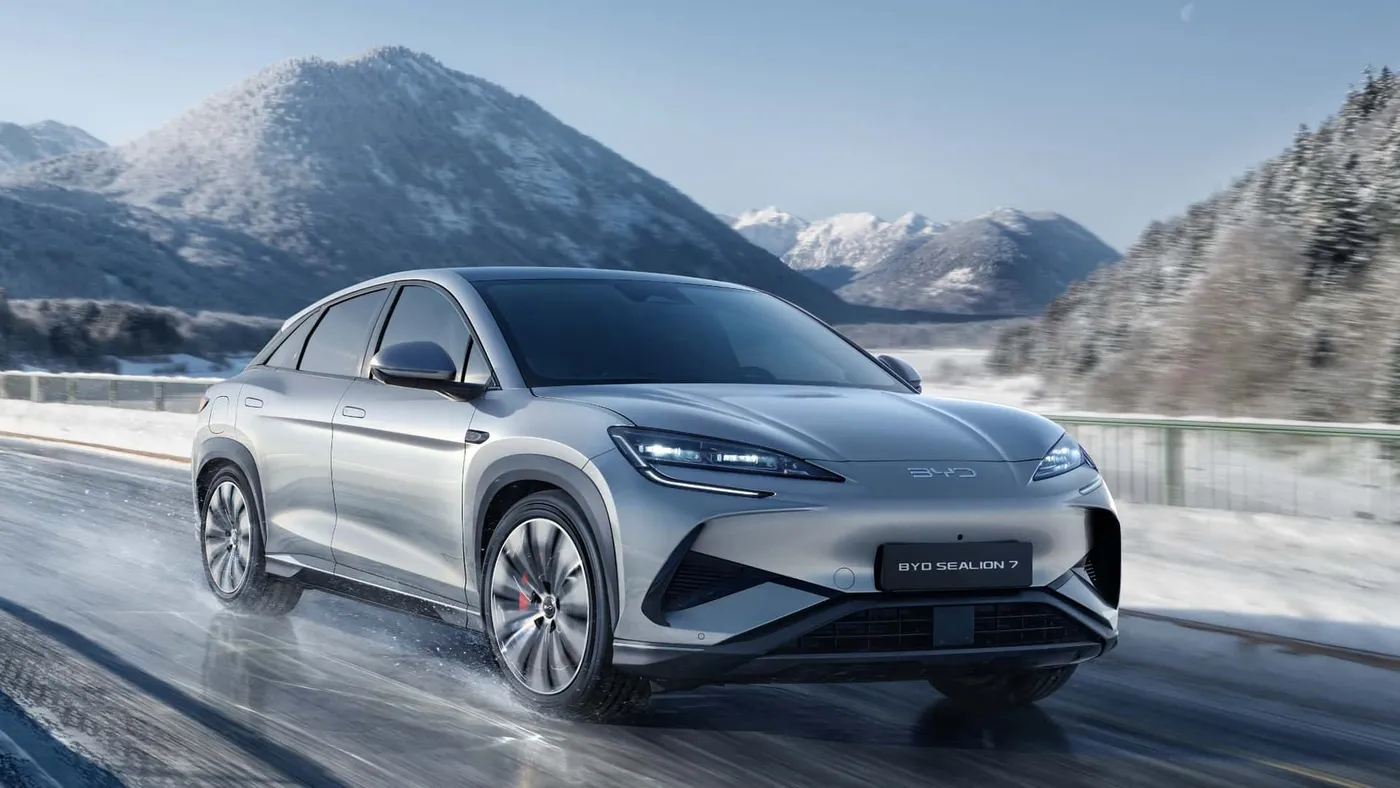
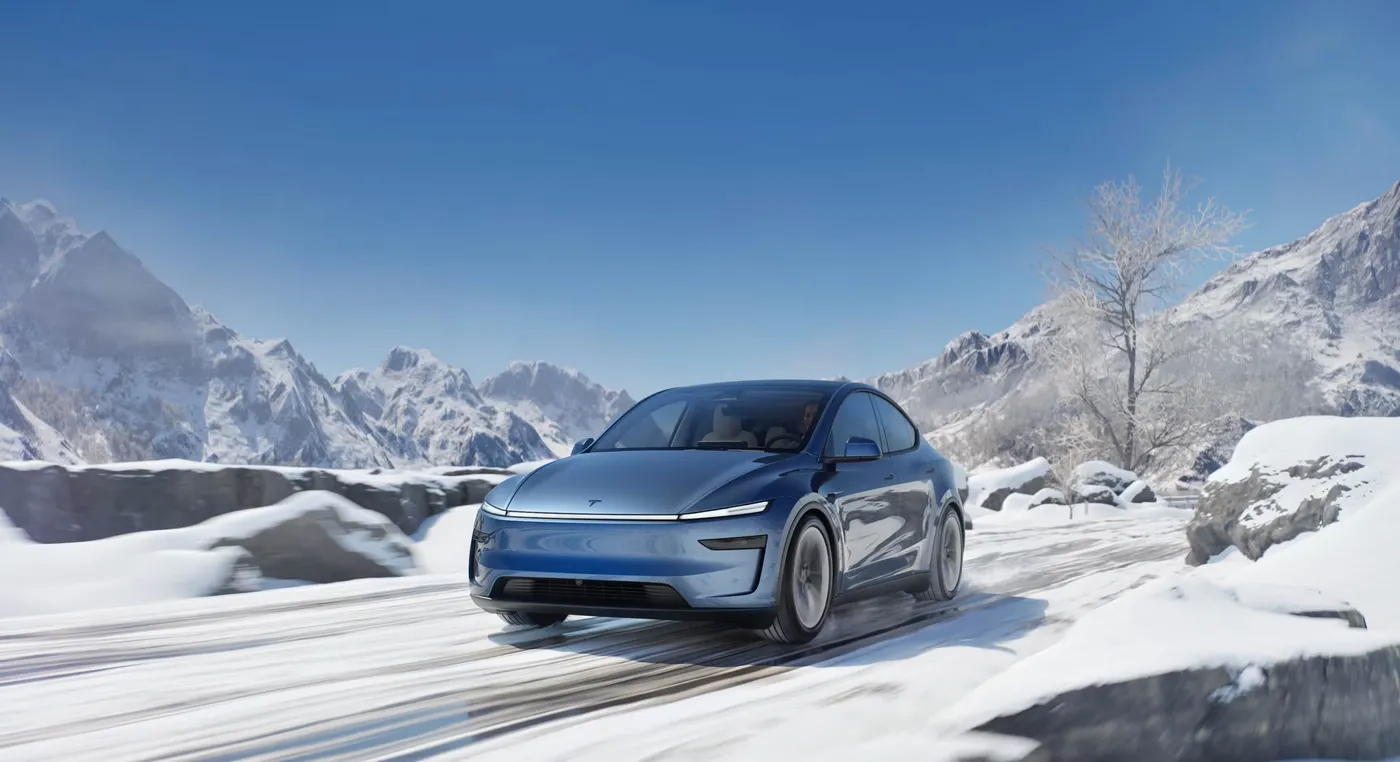
The way to fairly compare the two vehicles is to match the right versions. Both models are sold in both entry-level rear-wheel drive (RWD) and top-tier dual-motor all-wheel drive (AWD) options:
- Entry level (economical, SCT-advantaged): BYD Sealion 7 Design ↔ Tesla Model Y Standard. Both RWD, both complete 0-100 in about 7.8 seconds.
- Performance oriented (dual motor, AWD): BYD Sealion 7 Excellence ↔ Tesla Model Y Long Range / Performance.
Keep this matching in mind as you read on; generalizations like "BYD is more powerful" or "Tesla is faster" can be misleading when the wrong versions are compared. Our Tesla vs BYD analysis also helps you see this segment holistically.
2. Range and Battery: Tesla's Quiet Advantage
On the range side, Tesla Model Y has a clear advantage on paper. Entry-level Model Y Standard offers 534 km WLTP range, while BYD Sealion 7's entry Design package settles for 440 km. The picture is similar in the top segment: Sealion 7 Excellence delivers 502 km with its 91.3 kWh battery, while Model Y Long Range versions climb up to 622-629 km. So in long-distance usage, Tesla's range is visibly ahead.
However, BYD's ace is battery technology: both brands use the safe LFP (Lithium Iron Phosphate) chemistry, but BYD offers this with its own developed Blade Battery architecture. Blade Battery is marketed for not catching fire even in penetration tests, and for its long lifespan. See our BYD Han and Blade Battery review for details. For the segment's general range comparison, our longest-range EVs of 2026 article is useful.
3. Charging Speed: BYD Sealion 7 Pulls Ahead Here
BYD, which lags in range, reverses the situation in charging speed. Sealion 7 Excellence fills its battery from 30% to 80% in just 18 minutes with 230 kW DC fast charging support; even the entry-level Design completes this range in 20 minutes with 150 kW support. That's short enough for a coffee break on long trips.
BYD also offers V2L (Vehicle-to-Load), which turns the vehicle into a portable power source; you can power camping equipment or electronic devices from your car.
Tesla's biggest asset on this topic isn't a technical figure but an ecosystem: the rapidly expanding Supercharger network across Türkiye. While Sealion 7 leads in raw charging speed numbers, Tesla's mature infrastructure remains a strong preference on "ease of finding and reliability of charging points". For the general current regulations in Türkiye's charging ecosystem, see our charging infrastructure and credit card revolution article.
4. Performance: The Dual-Motor Version Race
For performance enthusiasts, there's a competitive race in the top segment. BYD Sealion 7 Excellence completes 0-100 km/h acceleration in 4.5 seconds with about 530 HP. On Tesla's side, Model Y Long Range AWD does this in 4.8 seconds, and the top-ranking Model Y Performance finishes in 3.5 seconds. So in raw acceleration, the top Tesla version leads, but Sealion 7 Excellence offers a very strong performance/value balance for its price.
At the entry level, the two vehicles are almost neck and neck: both Sealion 7 Design and Model Y Standard complete 0-100 in around 7.8 seconds. These versions are already preferred more for daily comfort and economy than for performance.
5. Interior and Technology: Two Different Philosophies
Inside the cabin, the two brands take completely different approaches. Tesla continues its famous minimalist philosophy: almost all controls are concentrated on a single 15-inch touchscreen, Autopilot driving assistant is standard, and OTA (over-the-air) software updates allow the vehicle to gain new features over time. Tesla is strong here for those who want simplicity and a software-focused experience.
BYD Sealion 7 embraces the "put the equipment in the package" approach. In the top-trim Excellence, features like 12-speaker Dynaudio sound system, Head-Up Display, rotating large infotainment screen, Nappa leather upholstery, memory driver seat, panoramic glass roof, and adaptive suspension are offered. For those seeking a more traditional "luxury equipment" feel, Sealion 7 offers a generous package. Sealion 7 being among the finalists for Car of the Year 2026 in Türkiye is an indicator of this equipment balance.
6. Side by Side with Numbers: Detailed Comparison
Let's put the top-tier (AWD) versions of both vehicles side by side in a single table covering all fronts:
| Criterion | BYD Sealion 7 Excellence | Tesla Model Y Long Range |
|---|---|---|
| Motor Configuration | Dual motor AWD | Dual motor AWD |
| Power | ~530 HP | ~450 HP |
| 0-100 km/h | 4.5 s | 4.8 s |
| WLTP Range | 502 km | 622-629 km |
| Battery Capacity | 91.3 kWh (LFP Blade) | ~78 kWh (LFP/NCA option) |
| DC Fast Charging | 230 kW | ~250 kW (Supercharger V3) |
| 10% → 80% Charging | ~18 min | ~27 min |
| Charging Network | Public network (card / app) | Supercharger + public network |
| Driving Assistant | Lane keeping + adaptive cruise | Autopilot / FSD |
| V2L Feature | Available | Not available |
From a numerical perspective, Sealion 7 leads in acceleration, charging speed, and equipment package; Model Y leads in range, charging network maturity, and software experience. To evaluate both models together, you also need to look at the segment as a whole; our Türkiye electric vehicle hub strategy article offers a good framework for long-term pricing dynamics.
7. Which One Makes More Sense for Whom?
Both vehicles are among the best in their segment, and there's no such thing as a "bad choice". The preference depends on your priorities:
- If long range and a mature charging network are your priorities and you want a minimalist, software-focused experience → Tesla Model Y stands out.
- If you're looking for very fast charging, rich standard equipment, and a strong performance/value balance → BYD Sealion 7 catches the eye.
- If economical entry and SCT advantage are your priorities, both brands' RWD entry versions (Sealion 7 Design / Model Y Standard) are very close to each other.
- If you're evaluating for a corporate fleet, both offer interesting solutions in the operational leasing model; see our corporate EV fleet solutions for details.
Frequently Asked Questions
Can I use Supercharger for Sealion 7?
Part of Tesla's Supercharger network has been opened to other brands under the "Open Access" initiative. All EVs with CCS Combo Type 2 support, including Sealion 7, can use these types of Tesla stations; however, not every Supercharger station in Türkiye may be part of this program. Verification via Tesla app or EV route planners is recommended before travel.
Is Blade Battery really safer?
Blade Battery is a design that packages LFP chemistry in "blade" form and does not ignite even in needle penetration tests. Tests show it significantly reduces thermal event risk compared to traditional NMC batteries. However, real-world safety depends not only on battery design but also on BMS (Battery Management System), cooling, and the vehicle's structural integrity.
Is the range difference important if I only use it in the city?
Not critical. The difference between 440 km and 622 km means, for someone using 40-60 km daily, only one less charge per week in practice. However, if you make long trips a few times a year, or use a version without heat pump support in cold winters, the range difference becomes noticeable; see our heat pump article.
Which will have less second-hand depreciation in 2 years?
In EVs, second-hand depreciation is determined by brand maturity, battery warranty, and market perception of the model. Tesla's established brand value in the Türkiye market and Supercharger advantage have a protective effect on second-hand, while BYD's price competition is strong on purchase but may pressure second-hand prices with new model releases. Due to this uncertainty, long-term leasing stands out as a reasonable alternative as it completely eliminates second-hand value risk.
Which One Is Right for You? Try Before You Buy!
Both vehicles are great; but you can only understand which one fits your daily life by using it. Instead of tying up millions of liras in cash and bearing second-hand depreciation, technological obsolescence, and insurance stress, lease the electric SUV of your choice long-term. With LenaCars' wide and fully insured fleet, experience BYD and Tesla models; discover which one suits you without stress, from range to charging habits.
Explore Electric Vehicles →Corporate EV Fleet Solutions📞 Expert Fleet Consultant