
Electric Vehicle Rental & 2027 Regulations

Turkey's new regulation draft, planned to take effect on January 1, 2027, imposes electric and hybrid vehicle quotas on rental fleets in major cities. We examine the regulatory details, operational advantages, and TCO analysis.
⚠️ Current status (July 2026): The authorisation certificate, fleet, age/mileage limits and metropolitan EV/hybrid requirements described in this article are based on the Ministry of Trade's draft "Regulation on the Rental of Motor Land Vehicles" and are still at the draft stage — they have not yet entered into force. The regulation is planned to take effect on 1 January 2027, and the final text may change once the consultation period ends. The cost comparison below is an illustrative example, not data from an actual vehicle.
The European Green Deal and carbon neutrality targets now top every government's agenda. Reducing metropolitan emissions is a shared priority across the region.
In Turkey, the Ministry of Trade has prepared a new regulatory draft. It will reshape the rental ecosystem in major cities. The rules aim to end unregistered operations. They also push corporate fleets toward modern, green energy models.
At first glance, the transition may look like extra investment. Viewed together, the numbers tell a different story. Lower energy costs, reduced maintenance, and stronger corporate reputation open major efficiency gains.
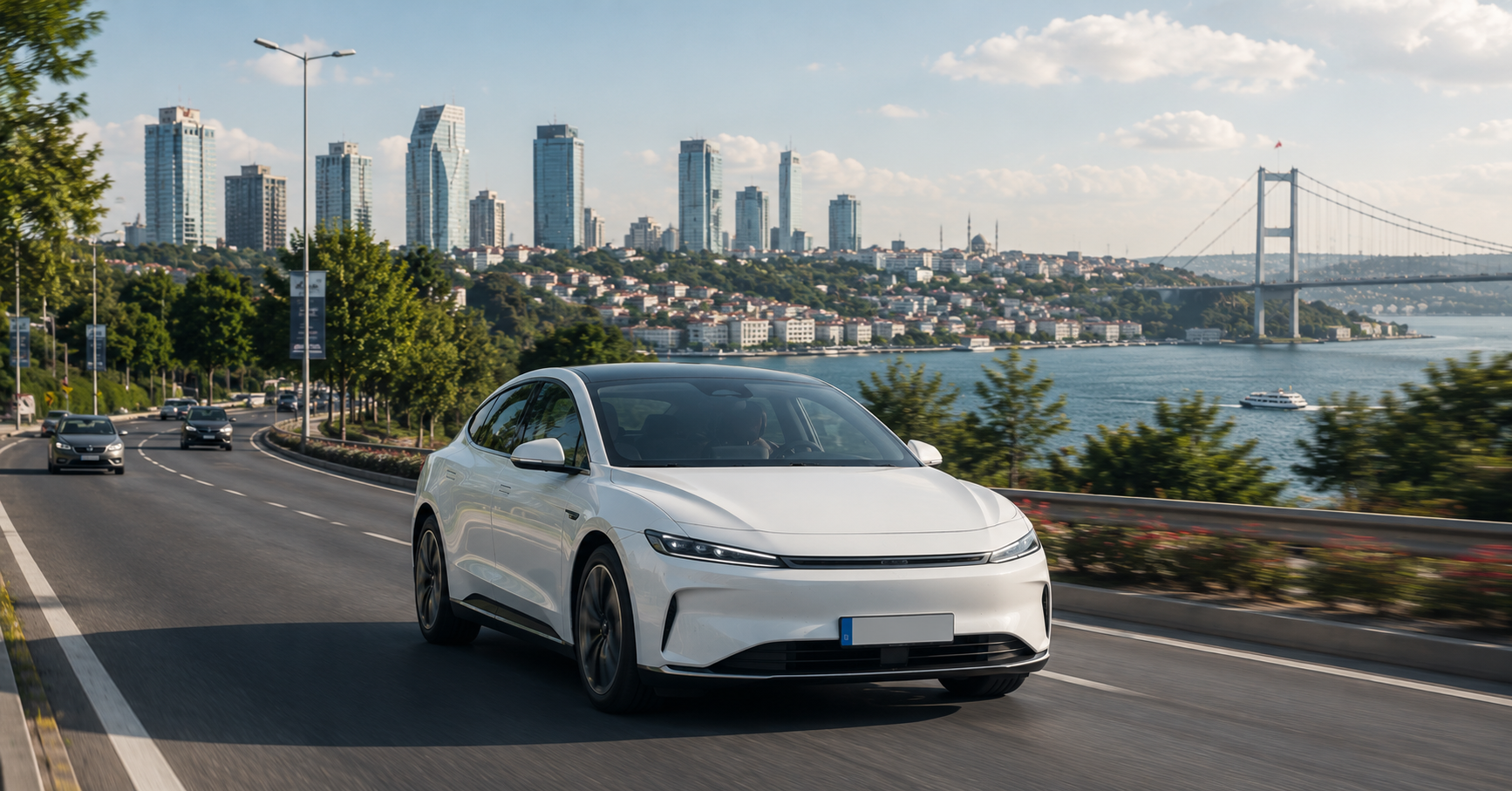
In Istanbul, Ankara, and Izmir, stop-and-go traffic is daily reality. Electric and hybrid vehicles cut operating costs best. They also help fleets meet future standards.
1. Regulatory Analysis: 2027 Draft Key Criteria
The new draft links the mandatory Authorization Certificate to fleet quality. Rental companies need this certificate to keep operating legally after January 1, 2027.
Baseline rules set clear minimums for corporate operators:
- At least 10 vehicles in the active fleet
- At least 5 company-owned units
- Mandatory electric and hybrid quotas in major cities
The most striking provision is the mandatory quota for domestically produced and electric/hybrid vehicles. This applies to rental fleets in cities with the highest population density and vehicle circulation.
The policy serves two goals at once:
- Support for the domestic automotive industry
- Central control of air pollution in metropolitan areas
Operators using aged or poorly maintained vehicles will be banned from online listing platforms. Corporate fleets will also face a 5-year age limit and a 100,000 km cap.
These rules will shape corporate rental choices quickly. Companies must accelerate electric and hybrid acquisitions to meet city quotas. Businesses already working with forward-looking rental brands gain a clear competitive edge.
Background of the Major City QuotasCorporate fleets drive far more daily kilometers than private cars. Converting them to electric and hybrid models multiplies the impact on urban emissions.
The 2027 rules push businesses beyond legal compliance. They also align corporate operations with global ESG (Environmental, Social, and Governance) standards.
2. Urban Traffic: EV and Hybrid Advantages
The biggest challenge in Istanbul, Ankara, and Izmir is stop-and-go traffic. It drives high mechanical wear and poor fuel efficiency in conventional fleets.
Internal combustion engines reach their lowest efficiency at idle and low speeds. Fuel waste rises. Carbon output often exceeds planned budgets.
Fully electric vehicles use zero energy at idle. They also activate Regenerative Braking in urban traffic. This technology converts deceleration energy into electrical power and recharges the battery.
Heavy traffic no longer means range loss. Energy efficiency improves instead. Hybrid vehicles shut off the combustion engine at low speeds. They run on electric power and cut urban fuel costs by 40% to 60%.
Electric vehicles also simplify maintenance. Hundreds of moving parts found in conventional cars simply do not exist, including:
- engine oil, oil filters, and spark plugs
- timing belts and clutch plates
- complex transmission gears
Periodic service needs drop sharply. Unexpected mechanical failures become rare. Operational downtime stays low across the fleet.
| Parameter | ICE Fleet | Electric / Hybrid Fleet |
|---|---|---|
| Urban Energy Efficiency | Fuel consumption and idle waste peak in stop-and-go traffic. | Energy recovered via regenerative braking; zero consumption at idle. |
| Maintenance Cost | High due to oil, filters, transmission, and engine parts. | Fewer moving parts; no engine oil or clutch expenses. |
| Carbon Emissions | High CO2 output; non-compliant with ESG criteria. | Zero or ultra-low emissions; boosts sustainability index. |
| Driving Comfort | Engine noise and gear jerks increase driver fatigue. | Silent, vibration-free cabin; premium driving experience with high torque. |
3. Charging Infrastructure: AC vs. DC Stations
A sound charging strategy is essential to unlock fleet efficiency. Corporate EV operators must minimize downtime. That starts with understanding two charging types: AC (Alternating Current) and DC (Direct Current).
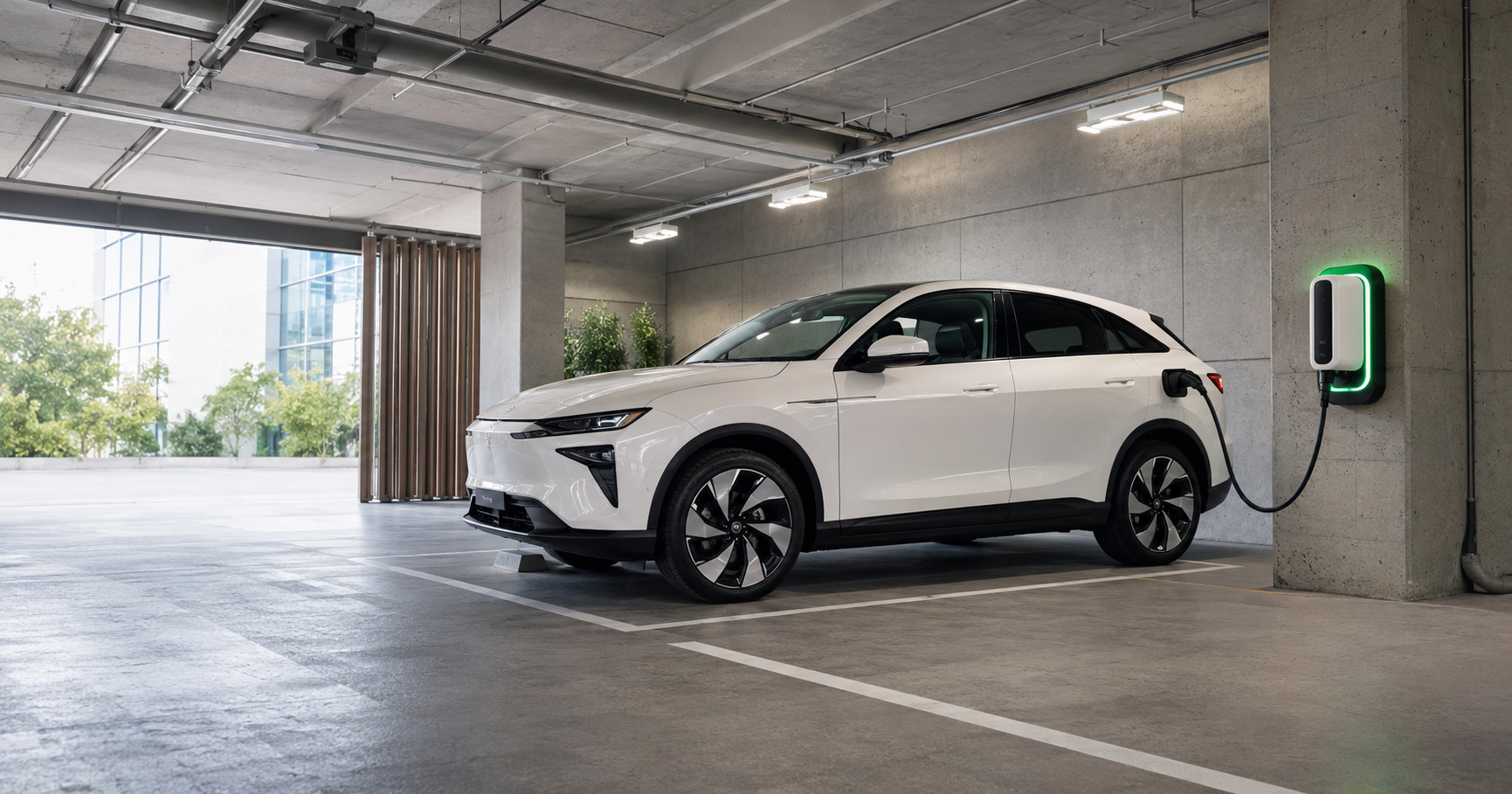
AC Charging for Overnight Fleet Prep
AC units typically deliver 7 kW to 22 kW of power. They send grid electricity through the vehicle's onboard converter. A full charge usually takes 4 to 8 hours.
AC charging fits three common fleet scenarios:
- Company parking lots with long idle periods
- Overnight charging at employee homes
- Lower-cost charging that supports long-term battery health
DC Fast Charging for Field Teams
Field sales teams need high range in short time windows. DC Fast Charging stations serve that need. Units from 50 kW to 350 kW deliver current directly to the battery.
A modern EV can reach 20% to 80% charge during a 20-30 minute lunch break. Telematics systems help field workers track DC station occupancy along their routes. That prevents wasted time at busy chargers.
4. Fleet Segmentation and Use Cases
Corporate vehicle needs vary by role and daily kilometer volume. Proper segmentation directly lowers the fleet's total cost of ownership (TCO).
Economy Class Field Vehicles
Field sales, technical service, and regional teams need cost and durability first. Models like the Fiat Egea Hybrid or compact B-segment EVs fit this role well.
The Egea Hybrid cuts urban fuel use in stop-and-go traffic. It runs on electric power when the combustion engine shuts off. A spacious trunk and competitive lease rates make it a strong field vehicle.
Monthly lease rates in this segment range from 25,000 to 45,000 TL.
Urban WLTP range is typically 300-400 km.
Executive EV and Hybrid Options
Senior executives prioritize prestige, technology, and WLTP range. Electric SUV and sedan models offer 450-600 km on a single charge.
DC fast charging support reduces delays on intercity trips. It also signals innovation to clients, partners, and investors.
Monthly lease rates in this segment range from 60,000 to 120,000 TL.
5. Sustainability, Carbon Tax, and Risk
Global trade now measures corporate success partly through sustainability indices. These scores reflect environmental and social responsibility.
The EU Green Deal and Carbon Border Adjustment Mechanisms require strict emission reporting. This affects companies in international trade or global supply chains.
Fleet vehicles used in logistics and marketing feed your corporate emissions report. They fall under Scope 3 (Indirect Emissions).
High-emission businesses also face carbon tax exposure. Companies above legal limits may see:
- Higher financing interest rates
- Direct carbon penalties
- Indirect compliance costs on cross-border trade
Buying and holding an aging ICE fleet keeps you inside these risks. Long-term leasing of electric and hybrid models offers a Tax and Reputation Shield.
A low-carbon fleet strategy supports access to green finance and sustainability loans. It also strengthens brand image as eco-friendly and innovative.
Renewing a green fleet within each contract period is the smartest risk move. You keep the latest technology and zero-emission standards without long-term asset exposure.
6. TCO Case Study: 36-Month Comparison
Consider a company running intensive field sales in a major city. It operates a 5-vehicle fleet for 36 months.
Each vehicle covers 4,000 km per month. That equals 48,000 km per year and 144,000 km per vehicle over three years.
The table below compares TCO for conventional diesel/gasoline vehicles and electric lease models.
Note on EV lease costs: "Included in lease" items are bundled into the monthly payment. They do not appear as separate line items.
| 36-Month Cost Item (5 Vehicles, 720,000 Km) | ICE | Electric (Lease) |
|---|---|---|
| Energy / Fuel Cost | ~1,850,000 TL | ~650,000 TL |
| Maintenance and Repairs | 380,000 TL | Included in lease |
| Brakes, Discs, and Wear Parts | 110,000 TL | Included in lease |
| Motor Vehicle Tax (MTV) | 120,000 TL | Included in lease |
| Comprehensive and Traffic Insurance | 480,000 TL | Included in lease |
| Tax Advantage (VAT Deduction) | Limited expense deduction | Full expense deduction and VAT credit |
| Total TCO Difference | ~2,940,000 TL + unpredictable risks | ~650,000 TL energy + fixed monthly lease |
Fuel savings alone approach 1.2 million TL over 36 months. Maintenance, insurance, tax, and risk management bundled in the lease add financial predictability.

7. Transition Process: Where to Start?
Three practical steps help you prepare for the 2027 regulations today:
1Analyze Your Current Fleet: Map vehicle age, daily km, and fuel spend. Flag units ready for electric replacement.2Plan Your Charging Infrastructure: Install AC units at company parking. Map DC stations along field team routes.3Create a Gradual Transition Timeline: Replace ICE models step by step at each contract renewal. Avoid a single high-cost fleet swap.In summary, a green fleet strategy delivers these concrete benefits:
- Full compliance with major city quotas and 2027 Authorization Certificate rules.
- Up to 60% fuel savings in metropolitan stop-and-go traffic.
- Centralized charging and billing through telematics and mobile apps.
- Lower exposure to maintenance inflation and spare part price hikes.
- Stronger ESG scores, green finance access, and international corporate prestige.
Ready to Bring Your Fleet Up to 2027 Standards?
Experience the fuel savings of electric vehicle technology and future regulations without ownership risk. Protect your company budget with LenaCars' young and eco-friendly hybrid/electric fleet solutions.
Contact Us for Green Fleet Solutions